Dalit Unity – The Path to Social Transformation
Kranthi Vegesna - MAR 5, 2026
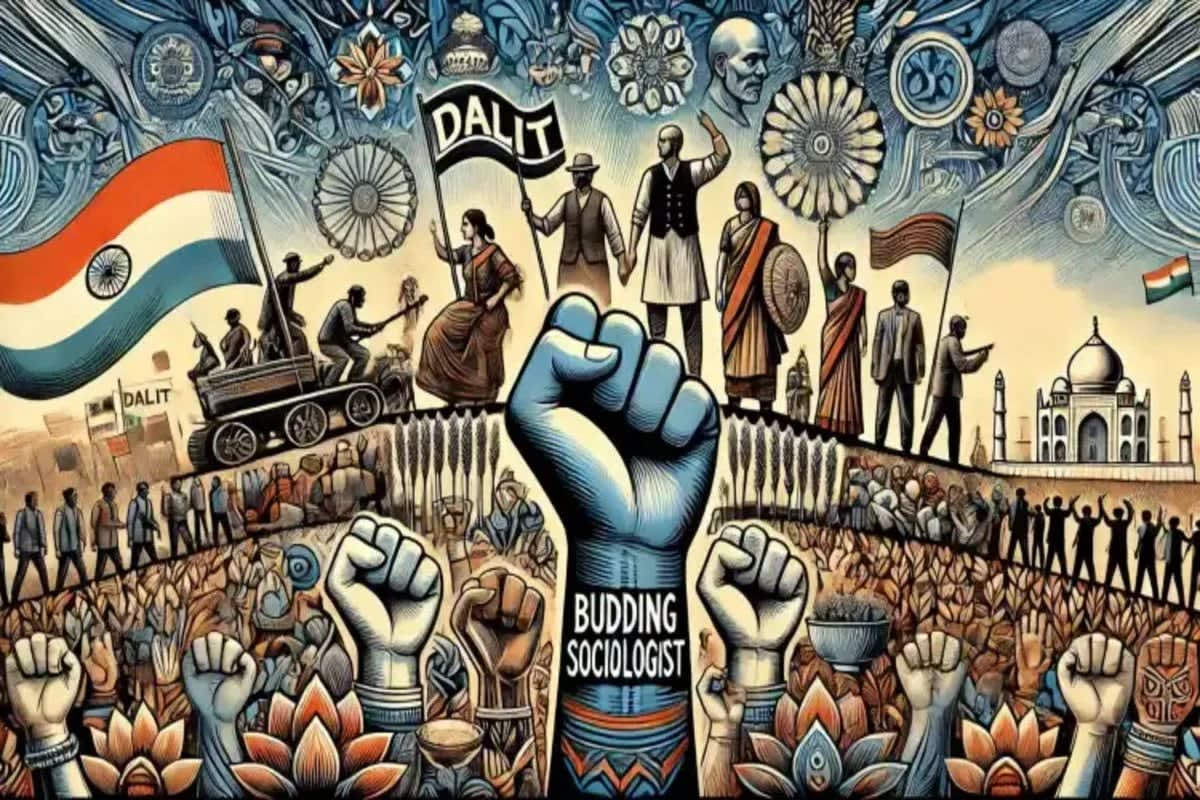
In Telangana and Andhra Pradesh, the Dalit community constitutes nearly twenty percent of the population. Yet, despite seven decades of independence, true equality in social, political, and economic spheres remains elusive. The persistent discrimination and inequality faced by Dalits even today highlight the deep-rooted injustices within our society.
Political Representation – But Where Is the Voice?
At present, the states together have 29 Dalit MLAs, including two ministers. Statistically, this appears impressive, yet their silence on Dalit issues is deeply disappointing. When attacks or atrocities occur against Dalits, their lack of response creates frustration among the people. These leaders must raise their voices more strongly - both within the Assembly and on public platforms. Political representation must translate into meaningful advocacy, not quiet complacency.
Development Stuck at the Doorstep
Dalit constituencies continue to struggle for basic amenities such as roads, schools, healthcare centers, drinking water, and employment. Development schemes exist on paper, but without genuine political will, they rarely reach those who need them most. True progress demands focused implementation and accountability.
Education – The Foundation of Change
Education remains the most powerful tool for Dalit empowerment. Improving the quality of government schools, ensuring timely disbursal of scholarships, and increasing Dalit participation in higher education are essential steps. Strengthening educational infrastructure in rural areas can secure a better future for Dalit youth and empower generations to come.
Land Rights – The Basis of Self-Reliance
Land ownership is central to economic independence. Despite multiple land distribution schemes post-independence, the proportion of Dalits who actually received land remains minimal. Revising land records, ensuring access to cultivable land, and providing agricultural support systems are key to achieving genuine self-reliance.
Social Justice – Beyond Paper Laws
Atrocities and humiliations against Dalits continue to rise. Though laws like the SC/ST (Prevention of Atrocities) Act exist, their enforcement is often weak and ineffective. It is crucial to spread legal awareness among Dalits and ensure quick and affordable access to justice. Laws must work for the people they were meant to protect - not remain dormant on paper.
Political Leadership – Be the Voice, Not Just the Face
Dalit leaders must go beyond holding positions of power; they must become the voice and inspiration for their community. Elected by the trust of the people, their duty is to articulate and address Dalit concerns on every possible platform with conviction and courage.
Economic Empowerment – Development Must Be Inclusive
Dalits remain underrepresented in jobs, business, and industrial sectors. Ensuring strict implementation of reservations in both public and private sectors, alongside financial support, training, and market access for Dalit entrepreneurs, can create a more equitable economy.
Unity – The Strength of the Future
Today, unity among the 59 Dalit sub-castes is not just desirable but essential for both social and political progress. Divided, we fall - united, we rise. Only through solidarity can the community secure education, employment, land, and dignity. Governments respond when the people stand together.
In these times, “unity” - not division - must be the driving force for Dalit empowerment. By forging a collective social, political, and economic voice, Dalits can achieve the long-awaited dream of true equality.
Dalit unity is the foundation of Dalit progress - and the path to social transformation.