India Without Wisdom: Society, Politics, and the Need for Change
Kranthi Vegesna - MAR 5, 2026
Introduction
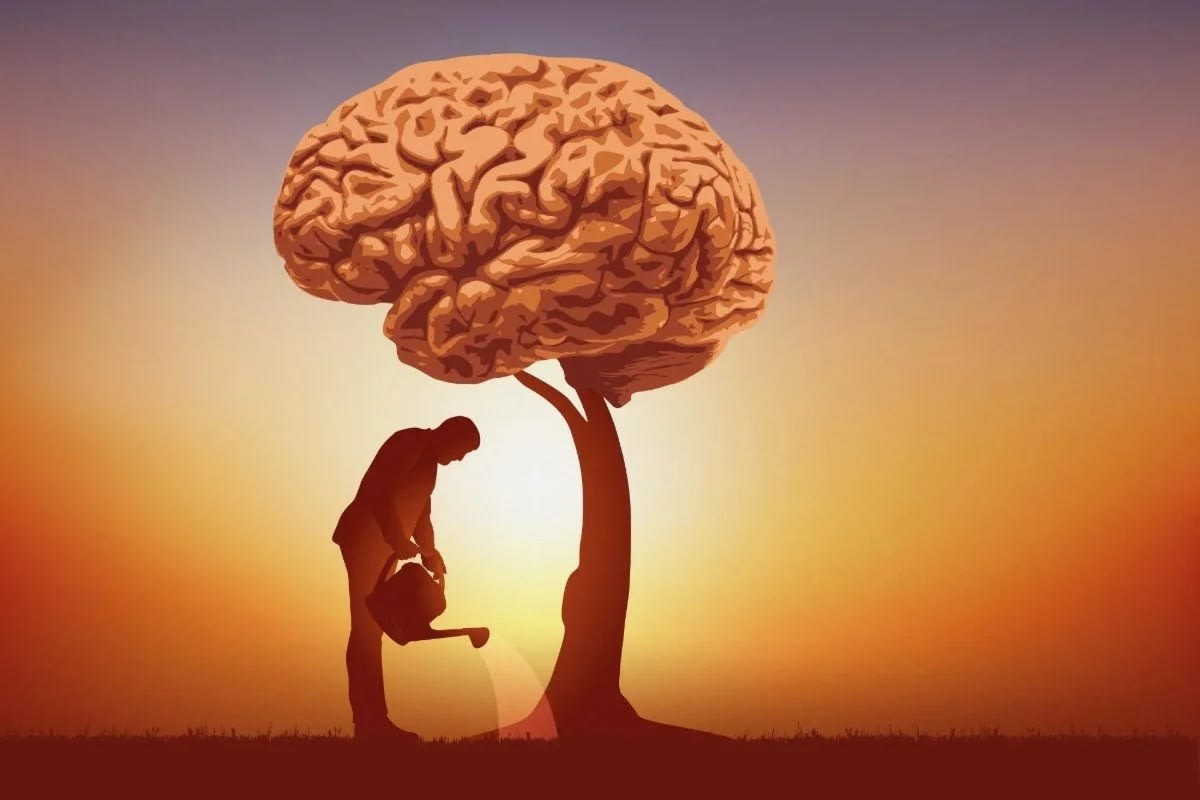
India, the world’s largest democracy, stands 78 years after independence, yet the cracks in its social and political foundation remain visible. Literacy rates have improved, but has education truly produced wisdom? Why are criminals and corrupt leaders still being elected? Why are absurd claims - like promoting cow urine as medicine - gaining public attention? And more importantly, why are people not questioning them? These are not isolated concerns; they reflect the state of our collective consciousness. This editorial delves into the challenges, shortcomings, and the urgent reforms needed to build a wiser, more responsible India.
---
Literacy vs. Wisdom: The Missing Link
India’s literacy rate has dramatically improved since 1947 - from 12% literate then to about 74% today. But does literacy guarantee wisdom? Literacy is merely the ability to read and write; wisdom, however, is the capacity to think critically, act ethically, and take social responsibility.
Our education system continues to encourage rote learning over critical thinking. Students are trained to memorize facts, not to question or reason. This gap becomes evident during elections - when voters are swayed by emotional issues like nationalism, religion, or military pride (Pulwama, Balakot) instead of governance or policy.
To address this, education must go beyond textbooks and focus on developing critical inquiry, moral reasoning, and civic awareness. A society without wisdom cannot progress, no matter how educated it appears on paper.
---
Criminals in Politics: A Reflection of Our Choices
Political parties routinely field candidates with criminal records, and the public still votes them into power. This is not just a failure of the system - it is a failure of public wisdom.
Rich offenders like Vijay Mallya escape accountability, while the poor are branded as criminals for minor offenses. The government’s preferential treatment toward industrialists like Adani and Ambani further exposes the nexus between politics and big business.
Why aren’t people questioning these alliances? Because propaganda dominates truth. Media and social platforms are weaponized to manipulate emotions and bury facts.
Real change requires informed voters. Citizens must examine candidates’ backgrounds, demand accountability, and reject those tainted by corruption. The Election Commission should disqualify candidates with criminal charges, and political parties must adopt ethical screening standards. Democracy fails when voters stop questioning.
---
The Cow Urine Phenomenon: Blind Faith Over Science
When ministers endorse cow urine as a cure, what does it say about our scientific temper? Medical science clearly debunks such claims, yet millions follow blindly.
This is not about religion - it’s about exploiting faith for political mileage. By wrapping pseudoscience in spirituality, politicians distract the public and consolidate vote banks.
India urgently needs a scientific awakening. Schools should include programs that promote rational thinking and expose superstition. Media must act responsibly to debunk false claims. Blind belief is not devotion - it is social regression.
---
Lessons from China and Singapore: Planning, Policy, and Progress
China and Singapore - both nations that gained momentum after India - have surged far ahead in development. China’s GDP ranks second globally, and Singapore is among the richest nations on earth. Why is India lagging?
The roots lie in political corruption, social division, and educational stagnation. China focused on long-term planning, education reforms, and economic discipline. Singapore enforced strict anti-corruption laws and built a culture of efficiency and merit.
India must learn from these models - not to imitate them blindly, but to adapt their focus on governance and accountability. Government institutions must prioritize evidence-based policymaking, and citizens must demand performance, not promises.
---
Youth and Alcohol: A National Concern
Alcohol addiction is eroding India’s youth. Ironically, governments profit from liquor sales while preaching morality. Revenue has become more important than the nation’s health.
This is not just a personal issue - it’s a social and economic crisis. Alcohol destroys families, productivity, and the future of young generations. The government must take responsibility - through awareness drives, rehabilitation initiatives, and strict regulation. The youth must be guided toward healthier, creative pursuits.
---
Caste, Religion, and the Fragmented Society
India’s biggest threat today is internal - the growing divide based on caste and religion. Political parties exploit these divisions for vote banks, while the public falls for the same old traps.
Even cinema and media, instead of uniting people, often fuel stereotypes and resentment. The public must reject divisive propaganda and promote social harmony.
Political parties must move beyond identity politics; media must become a bridge, not a barrier. The true essence of India lies in unity through diversity - not division through ideology.
---
Conclusion: Building a Wise India
To transform “Unwise India” into an enlightened nation, we need deep structural change - in education, politics, and society. Citizens must think critically, act responsibly, and vote consciously. Blind faith, emotional manipulation, and divisive politics must be replaced with reason, compassion, and unity.
India’s path to progress is not blocked by lack of talent - it is hindered by lack of wisdom. By embracing knowledge, ethical governance, and social integrity, India can truly reclaim its place as a beacon of civilization and progress.
Change is possible - but only when every citizen becomes a catalyst for it.