Investigative Journalism – The Truth That Faded into Shadows
Kranthi Vegesna - FEB 21, 2026
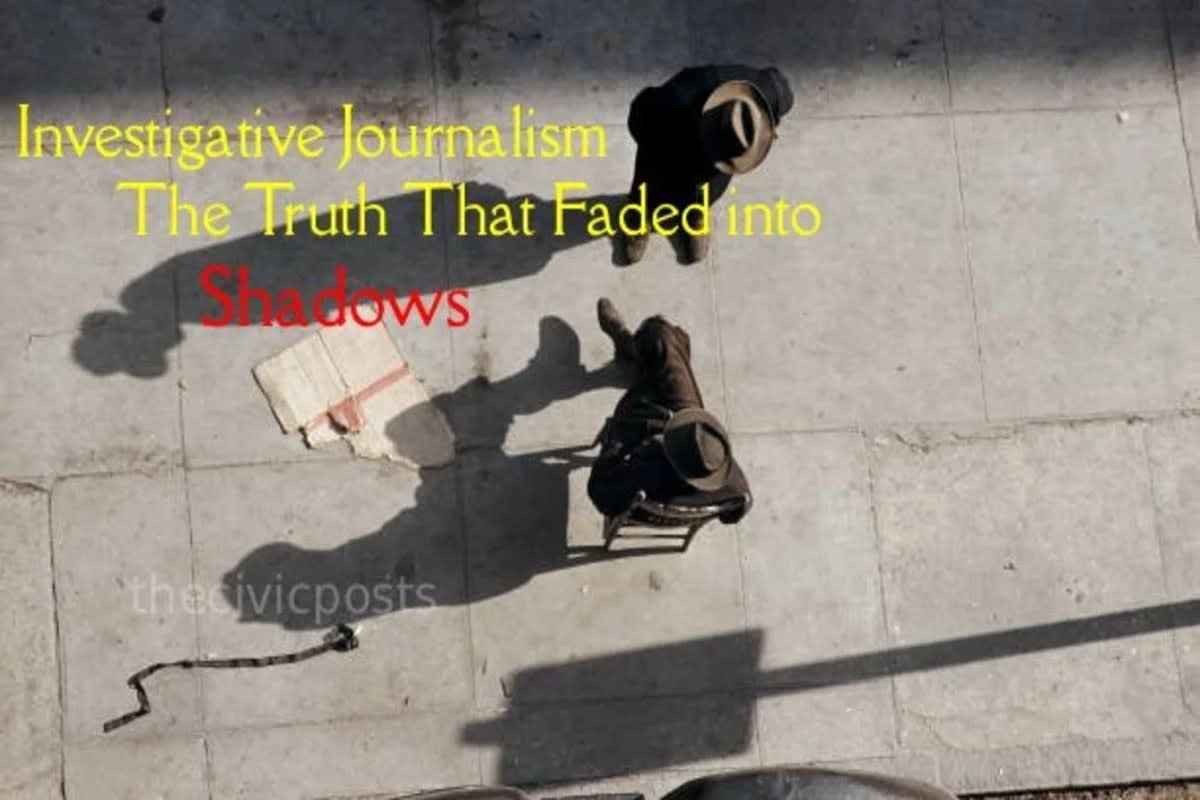
Before 2014, investigative journalism in India was a vibrant and fearless force. Many media houses boldly exposed corruption in government offices, illegal dealings by political leaders, corporate misuse of funds, and the mismanagement of public money.
National publications like The Indian Express, The Hindu, and Times Now, along with several regional outlets, carried out courageous investigative stories that inspired public trust. When a journalist reported corruption, people believed it — the press was seen as a mirror of truth.
However, the landscape has drastically changed in the past decade.
---
The Decline of Media Independence
After 2014, when a new government came to power, media freedom began to erode. Large media houses became tied to political and corporate interests. Channels that praised the government received advertisements, projects, and exclusive interviews, while those that questioned authority faced financial pressure, tax raids, legal notices, and sedition cases.
Fearing these repercussions, many journalists either went silent or left mainstream outlets to start independent online platforms. Today, much of mainstream media has moved closer to the ruling establishment, and people have mockingly started calling it “Godi Media” — meaning media that sits comfortably in the government’s lap, echoing only its voice.
---
A Global Example – The Adani Case
Recently, the U.S. Federal Bureau of Investigation (FBI) and the Department of Justice (DOJ) launched an inquiry into the Adani Group. International media outlets like The Washington Post analyzed internal government documents, revealing how India’s state-owned Life Insurance Corporation (LIC) invested nearly $3.9 billion in Adani’s companies.
While the probe gained international attention, most Indian media houses remained silent. Only a few independent digital platforms and social media journalists brought the story to the public. This silence speaks volumes about the current state of Indian journalism — where global scandals can be muted within national borders.
---
Why Investigative Journalism Has Declined
Political Pressure: Most media owners are powerful business figures dependent on government clearances, making true editorial freedom nearly impossible.
Financial Dependence: Government advertising remains a key revenue source for TV channels and newspapers. Losing it means financial collapse, so criticism of the government has become risky.
Legal Intimidation: Journalists face sedition, defamation, and other legal cases even for factual reports. Fear of prosecution has created a climate of self-censorship.
Social Media Distortion: The rise of fake news, online trolling, and propaganda machinery makes it difficult to separate truth from manipulation.
---
The Fall of Journalistic Values
Once, journalism stood for truth and public interest. Today, it often revolves around ratings, views, and advertising. Sensationalism has replaced substance. Many news anchors act as party spokespersons rather than neutral moderators. News debates have become political battlegrounds rather than platforms for civic discussion, leaving the public confused about what’s real and what’s not.
---
Public Awareness – The Need of the Hour
In a democracy, the media is the fourth pillar. If this pillar collapses, democracy itself weakens. Therefore, citizens must act responsibly:
Verify news from multiple sources before believing it.
Support independent and credible journalists.
Stop forwarding fake news.
Remember — questioning the government is not sedition; it is the lifeline of democracy.
---
A Ray of Hope – Digital Journalism
A new generation of journalists is reviving investigative journalism through digital platforms, YouTube, and independent online portals. Outlets like The Wire, Scroll, Newslaundry, and Alt News continue to pursue truth with limited resources but unwavering integrity.
Their persistence shows that truth never dies — it only waits for brave voices to rediscover it.
---
In Conclusion
Investigative journalism in India was once a weapon for the people; today, it often bends to the will of power and profit. Yet, amidst the silence, a few independent voices still dare to speak.
The day is not far when independent media will rise again, for without a free press, democracy cannot breathe.
“Questioning the government is not an act of rebellion — it is the breath of democracy.”
Every journalist, every citizen, must remember this truth.