Politics of Renaming: A Roadblock to Development?
Kranthi Vegesna - MAR 5, 2026
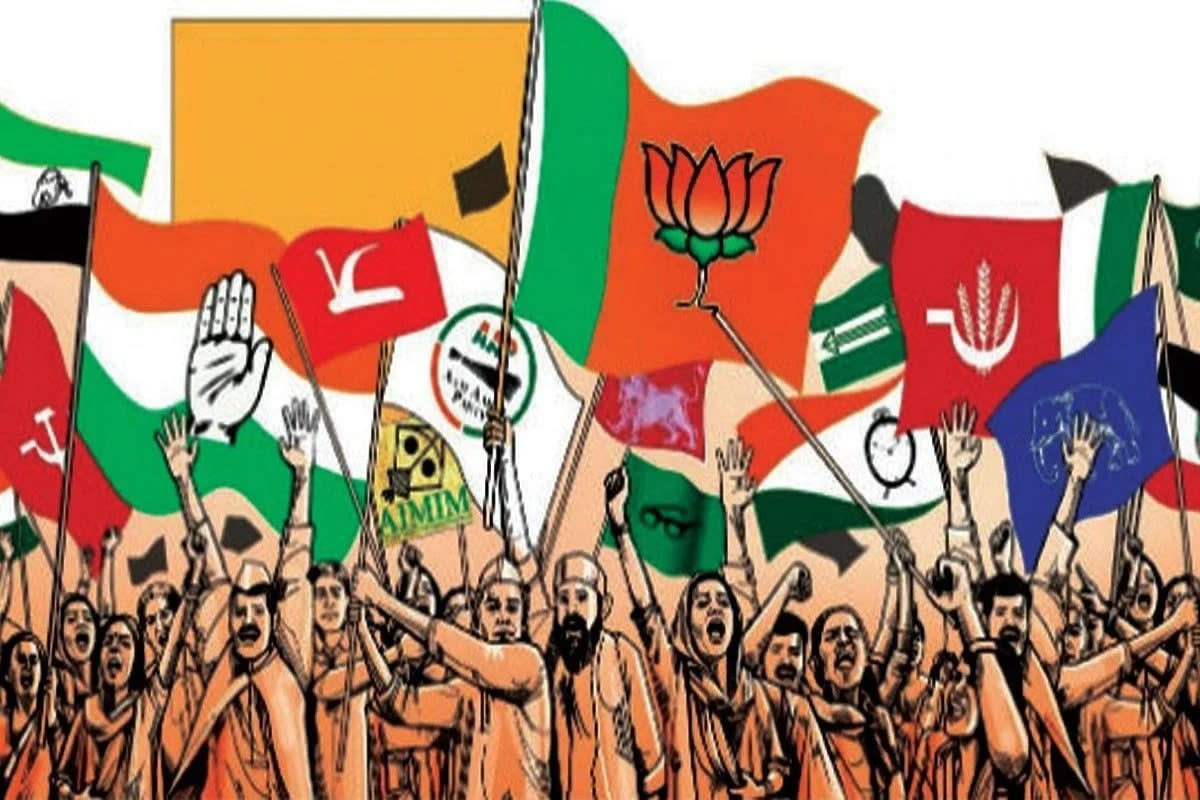
Politics in India has always been fascinating, but in recent times, a new kind of competition has emerged between central and state governments - the race to rename. Cities, towns, railway stations, stadiums, schemes, offices - almost everything seems to be getting a new name. The stated reason: erasing traces of the British era or Mughal legacy. But what lies behind these changes? Is it about correcting history - or political mileage? How much public money is being spent on these symbolic exercises? And how are they obstructing real development? Let’s take a closer look.
---
A Historical Context: The Tradition of Renaming
Renaming is not new in India. After Independence in 1947, many colonial-era names were changed to wipe away vestiges of British rule. Bombay became Mumbai, Madras became Chennai, Calcutta became Kolkata - changes made to honor local culture and language.
But in recent years, the renaming spree has taken a more political tone. Governments are competing to erase names linked to the British or the Mughals, often under the pretext of restoring Indian pride.
Between 2024 and 2025, several major renamings took place:
Islampur in Maharashtra became Ishwarpur.
A BJP MP, Praveen Khandelwal, proposed renaming Delhi as Indraprastha.
Gaya in Bihar became Gaya Ji.
Port Blair in the Andaman Islands was renamed Sri Vijaya Puram.
Ahmednagar in Maharashtra was renamed Ahilyanagar.
Thirteen locations and two roads in Uttarakhand were renamed.
These are just a few examples; the Wikipedia list of renamed Indian cities continues to grow every year.
The changes don’t stop at cities - even schemes and institutions are being renamed. The Aam Aadmi Party (AAP) accused the Delhi government of renaming Ambedkar Schools as CM Shri Institutes. Critics call this political rebranding, not reform.
---
Central Government’s Renaming Drive
The BJP-led NDA government at the Centre has spearheaded several renamings under the justification of removing Mughal and colonial influences.
In 2018, Mughalsarai Railway Station was renamed Deen Dayal Upadhyaya Junction. Many people questioned why it wasn’t named after Lal Bahadur Shastri, who was born there - a leader who once resigned as Railway Minister taking moral responsibility for an accident. Shouldn’t such integrity be celebrated instead?
Another high-profile case was in 2021, when Sardar Patel Stadium in Ahmedabad was renamed Narendra Modi Stadium. Critics saw this as an act of self-promotion. Similarly, Allahabad became Prayagraj and Faizabad became Ayodhya. The government defends these as historical corrections, while opposition parties call them religiously motivated political moves.
---
State Governments Join the Race - The Andhra Pradesh Example
The renaming race is equally intense in the states. In Andhra Pradesh, every time a new government comes to power, it seems to reverse the previous one’s legacies.
After the YSR Congress Party (YSRCP) came to power in 2019, it changed many schemes launched by the TDP government. For example:
The Dr. Ambedkar Overseas Education Fund became YS Jagan Overseas Education Scheme.
NTR Vaidya Seva was renamed YSR Aarogyasri.
Annadata Sukhibhava became Rythu Bharosa.
After the 2024 elections, when the TDP–Janasena–BJP alliance came to power, the renaming pendulum swung back again. They removed YSR’s name from welfare schemes and restored names linked to NTR, Ambedkar, and Abdul Kalam. For instance:
Jagananna Animutyalu Awards became Abdul Kalam Awards.
YSR Aasara was renamed NTR Bharosa.
YSR Housing Scheme became NTR Housing.
Dr. YSR University of Health Sciences was reverted to NTR University.
In 2025, the Andhra Pradesh government also announced that Village and Ward Secretariats would be renamed Vision Units, claiming this would strengthen local governance and improve citizen services. Critics, however, argue it’s an attempt to erase YSRCP’s initiatives. Some call it a “poor idea,” saying the term “Vision Units” is alien to rural communities. Officials clarified it was restructuring, not a complete overhaul - yet the renaming will cost lakhs of rupees for new signboards, documents, and branding.
---
The Politics Behind the Name Game
Analysts believe the real motive behind these renamings is political credit - or more precisely, denying it.
In Andhra Pradesh, the YSRCP renamed almost all TDP-launched projects, and now the TDP is doing the same. It’s a political cycle - one government erases the identity of the other. Reports suggest the Jagan government renamed 10 out of 11 major projects after “Reddy.” TDP accuses them of using welfare schemes for political branding.
Even school uniforms changed - from YSRCP’s blue-and-white to TDP’s cream-and-olive green.
This tit-for-tat renaming culture reflects misplaced priorities. Instead of continuing good initiatives, governments are spending time and money on rebranding. Development takes a back seat.
---
The Economic Burden - Public Money Wasted
Renaming doesn’t come cheap. Signboards, stationery, websites, seals, and legal documents must all be changed. A city’s name change can cost hundreds of crores.
For example, renaming Allahabad to Prayagraj reportedly cost around ₹300 crore. Andhra Pradesh’s Secretariat renaming exercise will cost several lakhs. Imagine if this money were invested in roads, hospitals, or schools instead.
According to The Economist, such name changes add no real value - they disrupt administrative continuity, confuse citizens, and slow down productivity.
---
Public Opinion and the Need for Awareness
Public sentiment on these renamings is mixed. Some believe it’s a necessary act of historical correction; others see it as pure political gimmickry. On social media, the “Vision Units” decision in Andhra Pradesh sparked criticism and ridicule.
Citizens must demand accountability. Political parties should focus on governance and development, not on painting old names with new colors.
---
The Way Forward
Renaming may have symbolic significance, but when driven by politics, it becomes a distraction from real progress. Governments should focus on introducing new welfare programs, not merely rebranding old ones.
Citizens must stay vigilant and question how their tax money is being spent. True development will begin only when the politics of names gives way to the politics of progress.