Secular Constitution – Politics of Hate – Politicisation of Cinema: What Is the Impact on Society?
Kranthi Vegesna - MAR 3, 2026
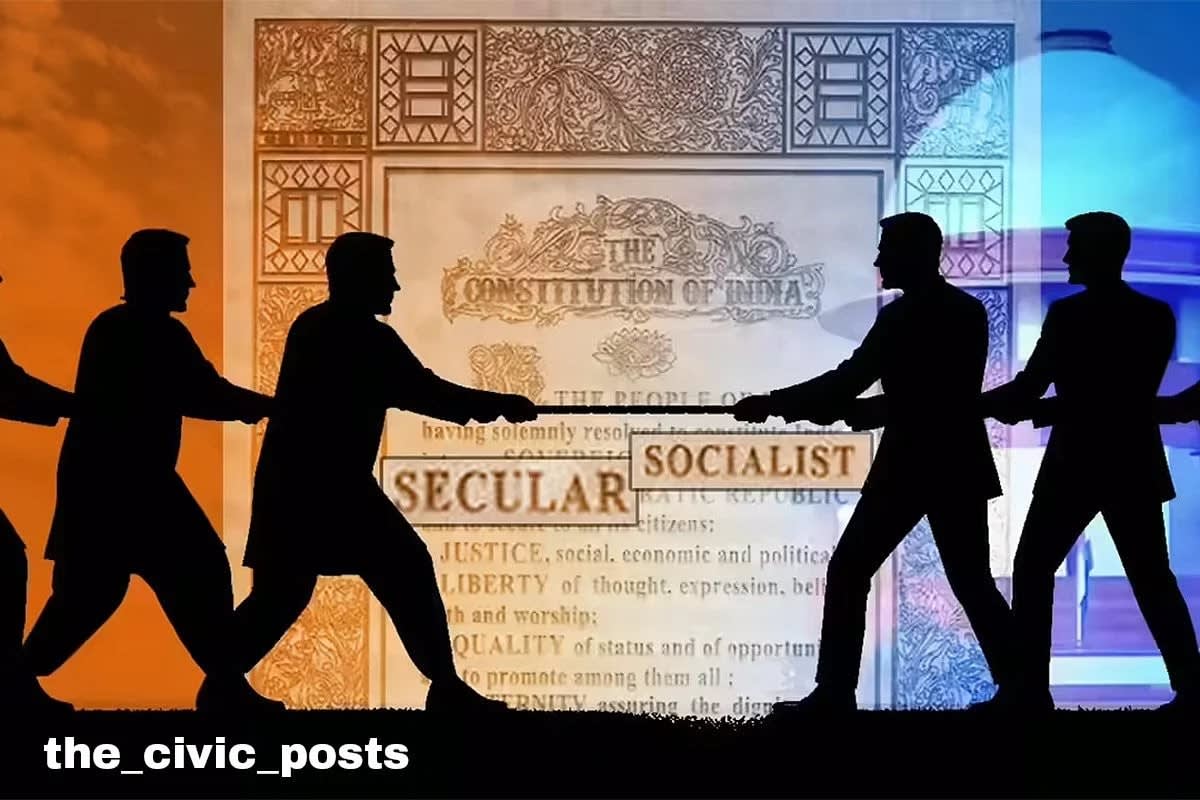
Over the past decade in India, certain films have evolved beyond mere entertainment to become focal points of intense political and social debate. Particularly, movies rooted in religious themes have sparked nationwide controversies, raising broader questions about art, ideology, and the secular fabric of the nation.
---
The Background of Controversial Films
The Kashmir Files (2022)
Based on the exodus of Kashmiri Pandits in the 1990s, the film achieved massive commercial success. However, it drew criticism for allegedly portraying Kashmiri Muslims in a one-sided manner. While several political leaders praised the film, intellectuals expressed concern that it could deepen social divisions. Countries such as Singapore reportedly banned its screening, further intensifying the debate.
The Kerala Story (2023)
This film revolved around allegations that women from Kerala were forcibly converted and recruited into ISIS. The teaser’s claim that “32,000 women” were involved triggered widespread controversy. Following court observations, the figure was modified. The government of West Bengal imposed a ban, which was later lifted by the Supreme Court of India. The episode sparked a major debate on artistic freedom, state powers, and constitutional rights.
Hamare Baarah (2024)
Accused of targeting a particular community in its narrative on population growth, the film faced legal scrutiny. The Bombay High Court imposed a temporary stay, signaling the need for judicial review.
Razakar: The Silent Genocide of Hyderabad (2024)
Based on events surrounding the liberation of the Hyderabad princely state, the film’s release during the Telangana elections fueled political debate. Critics argued that it presented history from a singular perspective.
72 Hoorain (2023)
Focusing on the radicalization and “brainwashing” of terrorists, the film referenced the concept of “72 virgins” in paradise. Muslim organizations raised objections, and censorship-related limitations were imposed.
---
What Does the Constitution Say?
India is founded on a secular Constitution. Article 14 guarantees equality before the law. Article 19(1)(a) protects freedom of speech and expression. However, Article 19(2) permits reasonable restrictions in the interests of public order, decency, morality, and communal harmony.
Article 25 ensures freedom of religion to all citizens. Critics argue that films portraying an entire community negatively may undermine the secular spirit of the Constitution. At the same time, artistic freedom is also constitutionally protected. Balancing these competing principles remains the responsibility of governments and the judiciary.
---
Tax Exemptions and Political Endorsement
Some state governments granted tax exemptions to certain films. Supporters viewed this as recognition of historical truth, while critics perceived it as political endorsement aimed at mobilizing religious sentiments.
When political leaders publicly promote films, they often shift from being artistic works to ideological statements. This transformation raises questions about governmental neutrality in a secular democracy.
---
Impact on Society
Social Polarisation:
As these films go viral on social media, they can intensify divisions within society. Emotionally charged narratives often resonate strongly, particularly among communities with limited access to diverse sources of information.
Impact on Marginalised Muslims:
Portraying an entire community negatively can foster suspicion toward ordinary, law-abiding citizens. This may affect employment opportunities, social relationships, and personal security-especially for economically vulnerable sections.
Allegations of Historical Distortion:
If history is presented selectively, future generations may inherit incomplete or biased understandings. When narratives are shaped more by political agendas than rigorous historical research, controversies become inevitable.
International Reputation:
India is the world’s largest democracy. Debates suggesting rising communal tensions can influence global perceptions and potentially affect diplomatic and economic relationships.
---
Responsibility of Leadership
In a democracy, leaders must exercise neutrality in both words and actions. Instead of amplifying divisive rhetoric, promoting social harmony is a moral and constitutional duty.
Cinema is a powerful medium-it can unite society or divide it. Therefore, political leaders, censorship authorities, and the judiciary must approach such matters with balance and responsibility.
---
Conclusion
In a nation that has embraced a secular Constitution, both artistic freedom and social responsibility are vital. Depicting the suffering of one community is not inherently wrong. However, if such portrayals evolve into narratives that demonize another community, societal tensions may escalate.
If films aim to present history, they must do so comprehensively and responsibly. Using religious sentiment for short-term political gains may offer immediate advantages, but in the long run, it risks weakening social cohesion.
The path laid out by the Indian Constitution is clear-equality, secularism, freedom, and harmony.
Only when cinema, political leadership, and media collectively reinforce these values can democracy truly thrive.