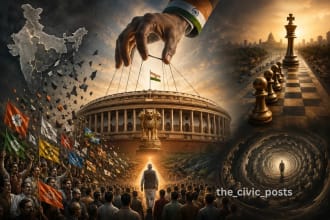
Social Harmony, Doubts, Conflicts, and the Role of Media
Kranthi Vegesna - MAR 5, 2026
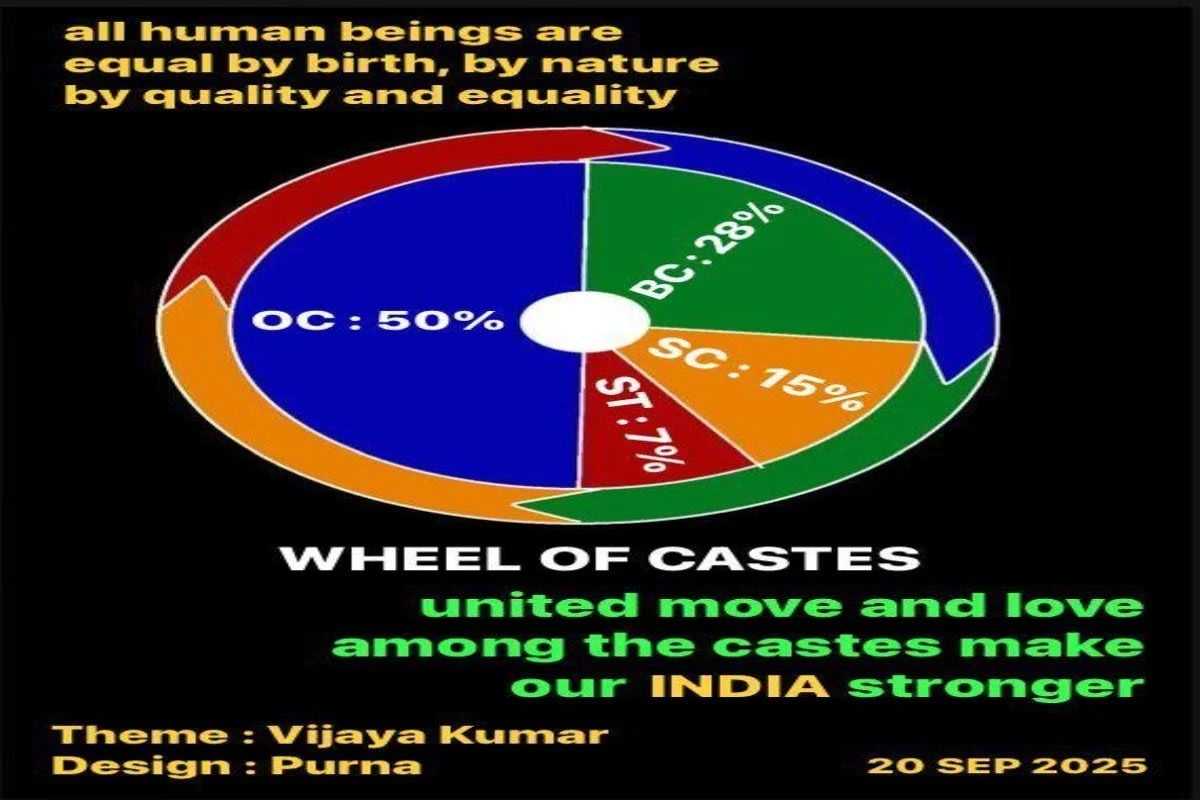
Social harmony represents the spirit of mutual respect, cooperation, empathy, and coordination among people within a society. It is the foundation of a peaceful environment and a key to resolving social issues effectively. However, in the modern era, this harmony faces growing challenges - and the media, particularly social media, has become a double-edged sword, often amplifying tensions instead of reducing them. This editorial explores the impact of media on social harmony, the controversies surrounding it, and possible ways to restore balance.
---
Meaning and Importance of Social Harmony
Social harmony is the invisible bond that unites people across diverse religions, castes, languages, and cultures. It fosters peace, prosperity, and collective progress. A society that lacks harmony becomes vulnerable to division, discrimination, and instability - hindering its overall development.
When individuals from varied backgrounds coexist with mutual understanding, conflicts diminish and collective problem-solving thrives. Maintaining such harmony, however, has become increasingly difficult in a world dominated by fast, unfiltered information.
---
Challenges to Social Harmony
Several challenges threaten the stability of social cohesion:
Prejudices and Discrimination: Growing bias based on religion, caste, ethnicity, or economic class fuels mistrust and distances communities.
Misinterpretations and Hostility: Minor incidents are often sensationalized on social media, leading to widespread misunderstanding and tension.
Self-Interest and Division: Certain individuals or groups exploit differences for personal or political gain, deliberately undermining social unity.
Media Influence: The media’s tendency to exaggerate or distort facts for viewership or profit has deepened societal divides, making it a crucial factor in eroding harmony.
---
Media’s Dual Role: Information and Instigation
Media - both traditional (TV, print) and digital - wields immense influence over public opinion. Unfortunately, this influence is not always constructive.
Biased Narratives: Some media outlets promote one-sided stories to serve political or commercial interests, often portraying certain communities unfairly. This fuels suspicion and hostility.
Social Media – The Unbridled Horse: Platforms like X (Twitter), Facebook, and Instagram have become the fastest channels for information sharing. Yet, they are also fertile ground for fake accounts, misinformation, and manipulated narratives. Viral videos or edited posts can quickly turn local issues into communal controversies.
Misuse of Free Speech: Freedom of expression, though constitutionally guaranteed, is being misused. Trolling, defamation, and hate speech against particular groups are damaging the social fabric.
Political Exploitation: Some political actors allegedly fund or direct coordinated campaigns on social media to spread polarizing narratives, thereby deepening social rifts.
---
Media Sensationalism and Its Consequences
Exaggerated or selective reporting has a direct and dangerous impact on social stability:
Overexposure of Minor Incidents: Minor disputes are blown out of proportion, creating unnecessary panic and division.
Political Bias: Certain news outlets tailor their coverage to align with political agendas, turning journalism into propaganda.
Public Anxiety: Persistent exposure to sensational or hate-driven content cultivates fear and distrust among communities.
---
The Social Media Effect
In the digital age, information spreads at lightning speed - often without verification. This lack of accountability magnifies social risks:
Fake News Epidemic: False or misleading content circulates rapidly, damaging reputations and worsening communal distrust.
Viral Provocation: Emotionally charged videos or posts are designed to provoke outrage and polarization.
Anonymous Hate: Fake or anonymous accounts often engage in targeted abuse and hate speech, eroding civility and dialogue.
---
The Way Forward
To preserve social harmony and curb media misuse, a multipronged approach is essential:
Responsible Journalism: Media outlets must prioritize truth and integrity over sensationalism. Reporters should verify facts before publication.
Social Media Regulation: Linking accounts to verified identities (like Aadhaar or official IDs) could curb fake profiles and hate-driven content.
Government Oversight: Governments must enforce stricter digital regulations and penalize those spreading hate or disinformation.
Civic Awareness: Citizens should think critically, verify information before sharing, and resist emotional manipulation.
Community Initiatives: Promoting interfaith, intercultural, and educational programs can strengthen mutual understanding and social cohesion.
---
Conclusion
Social harmony in India - and globally - is under strain. Media sensationalism, fake news, and political exploitation are intensifying divisions. However, collective responsibility can reverse this damage.
Responsible journalism, active government oversight, and vigilant citizen participation can rebuild mutual trust. Through honesty in communication, respect for diversity, and empathy in discourse, we can restore the very essence of our shared humanity.
Only when truth replaces noise and empathy triumphs over division will our society truly rediscover its harmony, peace, and strength.