AP’s West Godavari Leads Eco-Friendly Industrial Shift With Green Silica Focus
Alekhya Kota - MAY 13, 2026
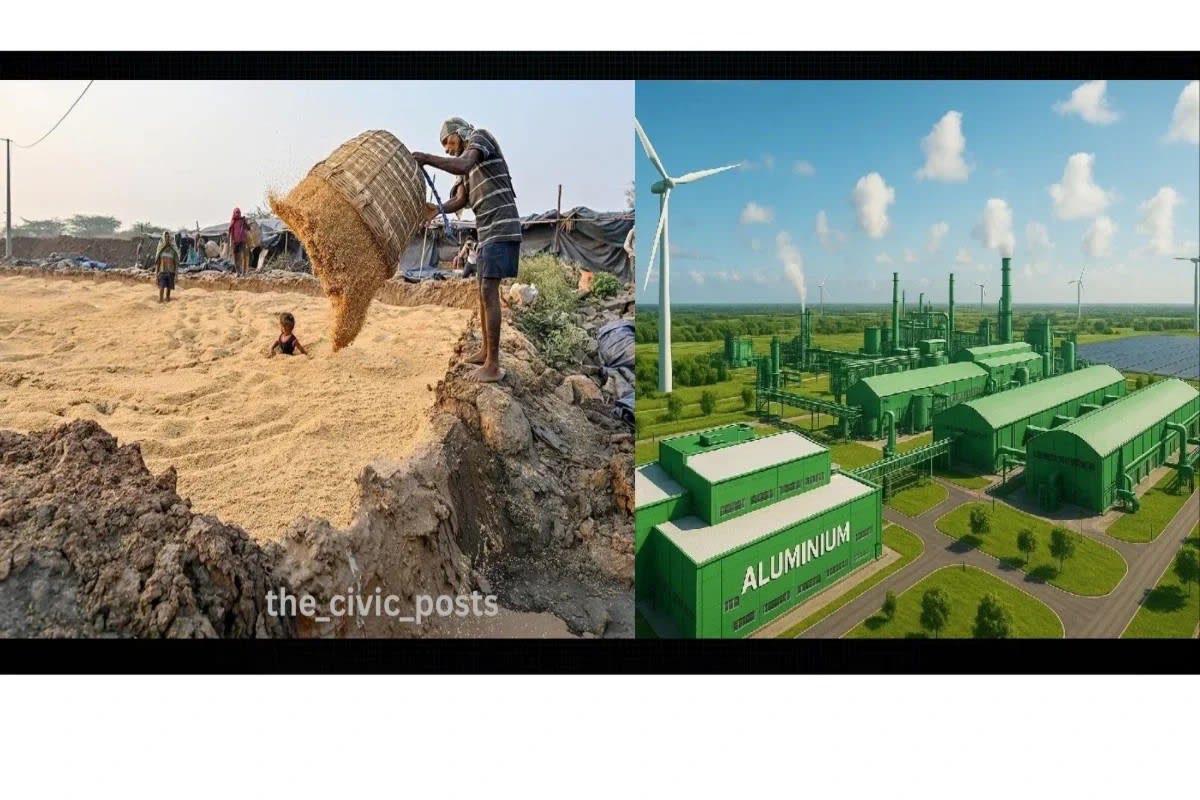
West Godavari district in Andhra Pradesh is slowly building a new identity by focusing on the green silica industry, an emerging sector that turns agricultural waste into valuable industrial material. The initiative is attracting attention because it combines environmental sustainability with economic growth, creating opportunities for industries, farmers, and local communities at the same time.
The district is widely known for its strong agricultural base, especially large-scale paddy cultivation. Every harvesting season generates enormous quantities of rice husk after the milling process. For years, this by-product was either discarded or burnt, often creating pollution and adding little economic value. Now, industries and researchers are viewing the same material differently. Rice husk contains silica, an important industrial compound that can be extracted and processed into eco-friendly “green silica.”
This development is significant because industries across the world are increasingly shifting toward sustainable manufacturing methods. Traditional silica production often depends on processes that consume large amounts of energy and can negatively affect the environment. Green silica, however, is produced using renewable agricultural residue, making it a cleaner and more environmentally responsible alternative.
West Godavari has become a natural choice for this industry because of the easy availability of raw materials. Since rice production is one of the district’s major economic activities, rice husk is available in abundance throughout the year. This reduces transportation challenges and creates a strong foundation for large-scale industrial activity linked to silica processing.
The rise of the green silica sector could bring major economic benefits to the region. Processing plants and supporting industries are expected to generate employment opportunities in manufacturing, transport, maintenance, and technical operations. Local youth may find new job opportunities within the district itself, reducing the need to migrate to larger cities for employment.
Farmers are also likely to benefit from this transformation. Agricultural waste that once had little commercial importance can now become an additional source of income. Instead of treating rice husk as leftover waste, farmers and rice mill owners may begin supplying it directly to industries involved in silica production. This creates an extra layer of economic value within the agricultural system.
Another important advantage is the environmental impact. In many farming regions, open burning of rice husk contributes to air pollution and environmental damage. Converting this residue into industrial material helps reduce waste while supporting cleaner production methods. The concept fits perfectly into the idea of a circular economy, where resources are reused efficiently instead of being discarded after a single use.
Demand for green silica is also increasing globally. Industries involved in electric vehicles, green tyres, renewable energy, paints, construction materials, electronics, and battery technology are searching for sustainable raw materials. As companies face growing pressure to reduce carbon emissions and adopt environmentally responsible practices, products like green silica are becoming more important in international markets.
The initiative represents a larger change in how industrial development is being approached. Instead of relying only on conventional industries, regions like West Godavari are exploring ways to combine agriculture and technology to create sustainable growth models. This shift has the potential to strengthen rural economies while also supporting environmental protection.
Officials and industry experts believe that if investment and infrastructure continue to improve, West Godavari could emerge as one of the leading centres for green manufacturing in the country. The district already possesses the agricultural strength needed to support the sector, and increasing industrial interest could accelerate growth further in the coming years.
The green silica industry is not just about factories or industrial expansion. It reflects a broader vision of development where waste is treated as a resource and sustainability becomes part of economic planning. The initiative demonstrates how agricultural regions can move beyond traditional farming and become part of modern industrial innovation.
For Andhra Pradesh, this effort could become an example of how rural districts can balance economic progress with environmental responsibility. If the momentum continues, West Godavari may soon be recognized not only for its agricultural richness but also for its contribution to India’s growing green economy.