Border Security, Illegal Immigration, and Vote-Bank Politics: Where Is India’s Future Headed?
Kranthi Vegesna - MAY 16, 2026
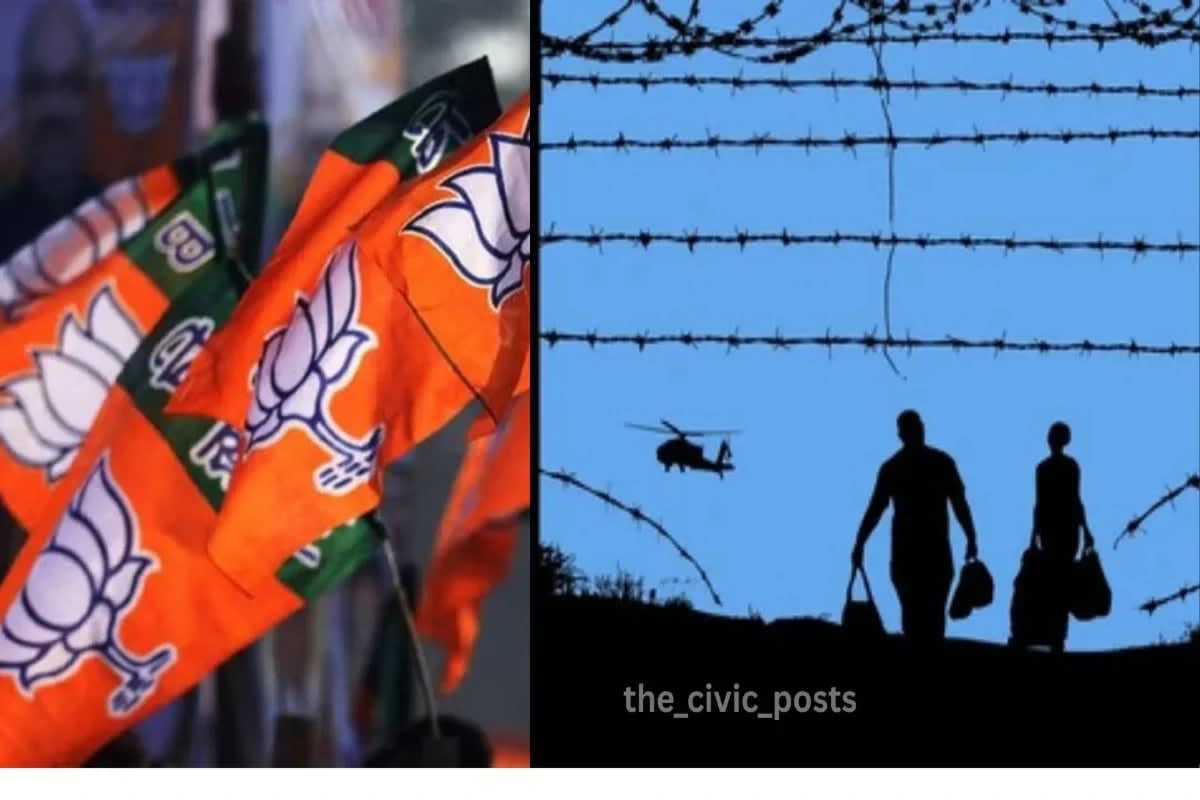
Border security, illegal immigration, and vote-bank politics have emerged as some of the most debated issues in Indian politics today. These concerns are especially significant in border states such as Assam and West Bengal, where they carry major political, social, and national security implications.
In this context, the rise of the Bharatiya Janata Party (BJP), the construction of border fencing, and stricter measures against illegal immigration have become central themes in national political discourse. At the same time, critics argue that several political parties continue to prioritize vote-bank politics over long-term national development and security.
The Border Issue: Ground Reality
The India–Bangladesh border stretches approximately 4,156 kilometers, making it India’s longest international border.
Several geographical and social factors make border management extremely challenging:
Large riverine areas, forests, and marshlands
Regions where fencing is physically difficult
Shared language and cultural similarities among border populations
These conditions create vulnerabilities that can facilitate illegal cross-border movement.
Illegal Immigration: A National Security Challenge
Illegal immigration is not merely a demographic issue-it is also viewed as a national security concern.
Its major impacts include:
Pressure on local employment opportunities
Changes in demographic balance
Inclusion of undocumented individuals in voter lists through forged documents
Concerns related to internal security
In Assam, the National Register of Citizens (NRC) process brought national attention to the issue by identifying a large number of individuals whose citizenship status came under scrutiny.
Political Shifts in Assam and West Bengal
Assam
Public dissatisfaction over illegal immigration has significantly influenced politics in Assam. Issues such as the NRC and the Citizenship Amendment Act (CAA) became central to electoral campaigns, contributing to the growth of the BJP in the state.
West Bengal
While the Trinamool Congress continues to maintain political dominance in West Bengal, border-related concerns have increasingly become a major political issue. The BJP has steadily expanded its voter base by emphasizing national security and border management.
In both states, the political narrative increasingly reflects a contest between “security concerns” and “vote-bank politics.”
Border Fencing: A Solution?
India has completed fencing along roughly 80% of the India–Bangladesh border.
Benefits
Reduction in illegal infiltration
Better control over smuggling activities
Improved border security
Challenges
Riverine regions where fencing is nearly impossible
Land acquisition disputes
Differences between state and central governments
As a result, authorities are increasingly focusing on “smart fencing” technologies, including drones, sensors, and surveillance systems.
Vote-Bank Politics: The Core Problem?
One of the major criticisms of India’s political system is the persistence of vote-bank politics.
This often involves:
Policies targeted primarily at specific communities for electoral gain
Allegations of political protection for illegal immigrants
Delays in taking difficult but necessary decisions
In some areas, critics argue that illegal immigrants become politically sensitive groups that parties hesitate to address directly due to electoral considerations.
Politics Drifting Away from Development
India’s long-term progress depends on:
Industrial growth
Employment generation
Education
Healthcare
However, political discourse often shifts toward:
Freebie-based politics
Caste and religious polarization
Personal attacks between leaders
This can divert attention away from structural development issues.
Long-Term Consequences
1. Economic Impact
Wage pressure in certain sectors
Increased burden on public resources and welfare systems
2. Social Impact
Rising resentment among local populations
Social tensions and polarization
3. Security Impact
Fake identity documentation
Expansion of smuggling and illegal networks
Possible Long-Term Solutions
1. Stronger Border Security
Smart fencing systems
Drone surveillance
24/7 monitoring infrastructure
2. National Citizenship Verification
Nationwide implementation of citizen identification mechanisms
Biometric verification systems
3. Stricter Legal Enforcement
Tough action against forged documentation
Penalties for illegal employment networks
4. Diplomatic Solutions
Bilateral agreements with Bangladesh
Work permit and regulated migration frameworks
5. Public Awareness
Encouraging voters not to sell votes for money or short-term benefits
Promoting development-oriented political participation
Why the BJP Has Gained Ground
The BJP has strongly positioned itself around:
National security
A strict stance on illegal immigration
Border protection policies
This approach has contributed to its electoral growth in states like Assam and parts of West Bengal.
Criticism of Other Political Parties
Critics often accuse other parties of:
Acknowledging the problem without implementing lasting solutions
Remaining silent for electoral considerations
Avoiding politically difficult decisions
Such perceptions can contribute to growing public distrust in mainstream politics.
Where Should Change Begin?
Ultimately, meaningful change must begin with the public itself.
Citizens must:
Question political leadership
Demand development-focused governance
Reject vote-buying practices
A stronger and more informed electorate can reshape political priorities.
India’s challenges related to border security and illegal immigration cannot be solved overnight. They are deeply connected to geography, politics, economics, and social realities.
However, one point remains clear:
If vote-bank politics continues to take priority over national security and long-term development, the country could face serious long-term consequences.
At the same time, lasting solutions are possible through:
Strong policy implementation
Political will
Public awareness and participation
As the debate continues, India’s future may ultimately depend on whether governance is driven more by short-term electoral calculations or by long-term national interests.
> “National security does not begin only at the borders-it begins in the mindset of the people.”