Can Andhra Pradesh’s Gold Discovery Transform India’s Mining Industry?
Alekhya Kota - JUN 22, 2026
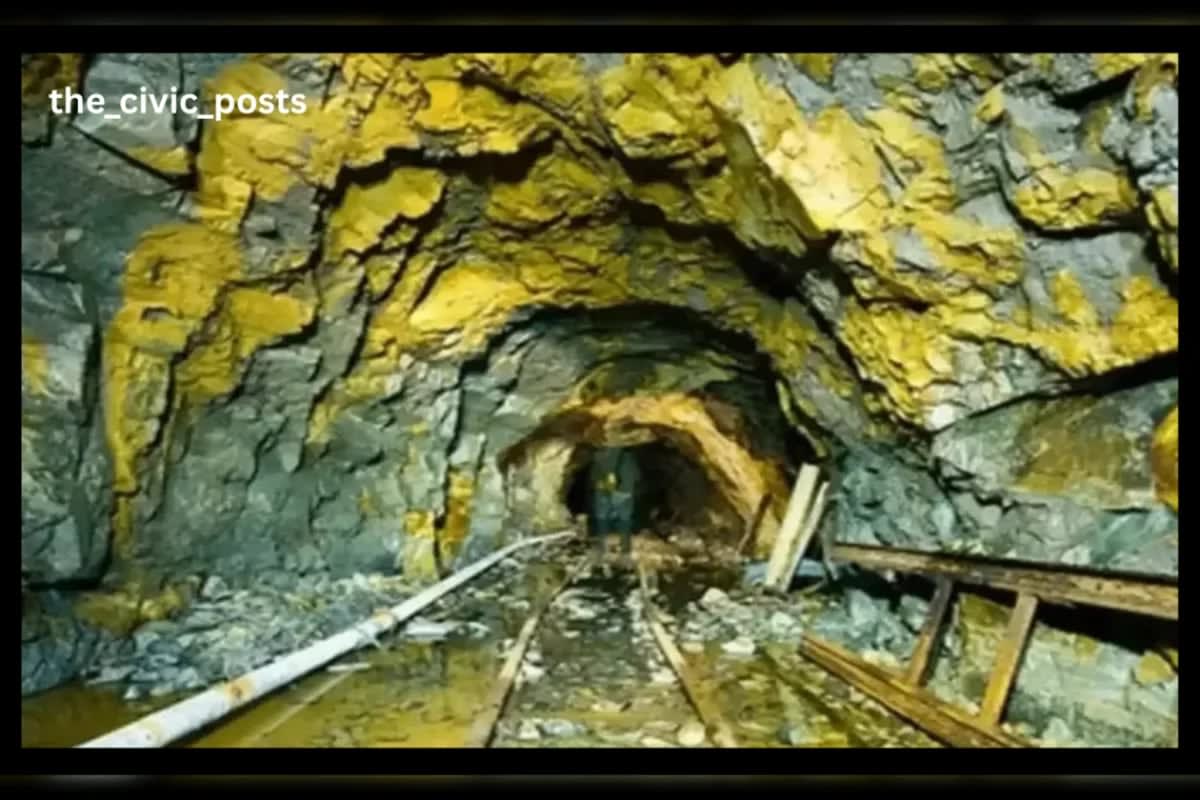
For generations, gold has been more than just a precious metal in India. It has represented wealth, security, tradition, and cultural pride. Whether it is purchased during festivals, gifted at weddings, or kept as a long-term investment, gold continues to hold a unique place in Indian households. While the country remains one of the largest consumers of gold in the world, a significant portion of its demand has traditionally been met through imports. This dependence on foreign supplies has long been a challenge. However, a major gold discovery in Andhra Pradesh is now creating optimism about a future where India can produce more of its own gold and reduce its reliance on international markets.
The recent focus on Andhra Pradesh has brought renewed attention to the state's mineral wealth. Geological surveys and exploration activities have revealed promising gold reserves that could place the state among the most important gold-producing regions in the country. The discovery has generated excitement not only because of the value of the metal itself but also because of the enormous economic opportunities it could create for local communities, industries, and the government.
Mining experts believe that the identified reserves have the potential to contribute significantly to India's domestic gold production. For a country that imports large quantities of gold every year, any increase in local production is considered a positive development. Domestic mining can help strengthen economic stability while creating jobs and attracting investments. As a result, the Andhra Pradesh discovery is being viewed as an opportunity that extends far beyond the mining sector.
One of the most encouraging aspects of this development is the growing confidence it has generated among investors. Large-scale mining projects require substantial financial commitments, advanced technology, and long-term planning. The willingness of companies to invest in gold exploration and extraction demonstrates their belief in the commercial viability of the project. Such investments not only support mining operations but also contribute to broader economic development.
The process of identifying and developing gold reserves is far more complex than simply finding gold underground. It begins with years of geological research, sample collection, and scientific analysis. Experts study rock formations, mineral patterns, and underground structures to determine whether a deposit can be mined economically. Only after extensive assessments are completed can mining activities move forward. The discovery in Andhra Pradesh reflects years of dedicated exploration and technical effort.
Modern mining has evolved dramatically compared to traditional methods used decades ago. Advanced technologies now allow companies to locate and extract minerals with greater precision and efficiency. Sophisticated mapping systems, satellite imagery, digital modeling, and automated equipment help reduce risks and improve productivity. These technological advancements have made it possible to access resources that were once considered too difficult or expensive to develop.
The economic impact of a successful gold mining operation can be substantial. Mining projects create direct employment opportunities for thousands of people. Engineers, geologists, machine operators, safety specialists, environmental experts, and skilled workers all play important roles in the industry. Beyond direct employment, mining activities support a wide range of secondary industries including transportation, logistics, construction, catering, equipment maintenance, and security services.
For local communities, the benefits can be transformative. Regions that previously had limited industrial activity often experience rapid development when major mining projects are established. Roads are upgraded, transportation networks improve, and utility services become more reliable. Better infrastructure can attract additional businesses and investments, creating long-term economic opportunities for residents.
The discovery is particularly important for rural areas where employment opportunities may be limited. Young people often migrate to larger cities in search of jobs and better prospects. The development of mining projects can create local employment opportunities that allow individuals to build careers closer to their hometowns. This can help strengthen local economies and reduce migration pressures.
In addition to job creation, mining projects contribute to government revenues through taxes, royalties, and various economic activities. These revenues can support public development programs, infrastructure projects, healthcare services, and educational initiatives. When managed effectively, the benefits generated by natural resources can contribute to overall social and economic progress.
Another significant advantage of increased domestic gold production is its impact on India's trade balance. The country spends considerable amounts of foreign exchange on importing gold each year. While domestic production may not completely eliminate the need for imports, it can reduce dependence on foreign sources and improve economic resilience. Producing more gold within the country allows a larger share of the value generated by the industry to remain within the national economy.
The discovery in Andhra Pradesh could also encourage further exploration across other regions of India. Success often inspires additional investment and research. Geological formations similar to those found in gold-bearing areas may exist elsewhere in the country, waiting to be explored. If new deposits are identified, India could witness the emergence of a stronger and more diversified mining sector.
At the same time, responsible mining practices must remain a priority. Modern mining companies are increasingly expected to balance economic growth with environmental protection. Mining activities can affect land, water resources, and local ecosystems if not managed properly. Therefore, strict environmental standards and sustainable practices are essential for ensuring long-term success.
Environmental management involves careful planning throughout the life of a mining project. Companies must monitor water usage, control waste materials, minimize land disturbance, and restore affected areas whenever possible. Rehabilitation efforts can help return mined land to productive use after operations are completed. These measures are critical for maintaining public trust and protecting natural resources.
Community participation is another important factor. Local residents often have concerns about how mining projects may affect their lives and surroundings. Open communication, transparency, and meaningful engagement can help address these concerns while ensuring that communities benefit from development activities. Educational programs, healthcare initiatives, and skill-development opportunities can further strengthen relationships between mining companies and local populations.
The Andhra Pradesh gold discovery also highlights the importance of long-term planning. Mining projects typically operate over many years and require careful management to maximize benefits. Governments, companies, and communities must work together to ensure that economic gains are sustainable and widely shared. Strategic planning can help transform mineral wealth into lasting development opportunities.
From a broader perspective, the discovery symbolizes India's growing ability to utilize its natural resources more effectively. As technology improves and exploration efforts expand, the country is gaining a better understanding of its geological potential. This knowledge can support future investments and strengthen India's position in the global mining industry.
The excitement surrounding Andhra Pradesh's gold reserves is not solely about the metal itself. It is about the possibilities that accompany such a discovery. New jobs, improved infrastructure, increased investment, stronger local economies, and enhanced national resource security are all potential outcomes. The project represents an opportunity to convert natural wealth into economic and social progress.
Looking ahead, continued exploration and development could reveal even greater opportunities within the region. As mining operations expand and supporting industries grow, Andhra Pradesh may emerge as a major center for mineral development in India. Such progress would not only benefit the state but also contribute to the country's broader economic goals.
In conclusion, the discovery of significant gold reserves in Andhra Pradesh marks an important milestone in India's resource development journey. It offers hope for stronger domestic gold production, greater economic opportunities, and enhanced industrial growth. While challenges related to sustainability and responsible management remain important, the potential rewards are substantial. If developed carefully and efficiently, this gold discovery could become one of the most significant economic success stories in recent years, helping shape a brighter future for Andhra Pradesh and the nation as a whole.