From Vision to Lifeline: Basavatarakam Cancer Hospital Completes 25 Years
Alekhya Kota - JUN 23, 2026
Transforming deep personal grief into a widespread blessing for humanity is a rare achievement, yet it serves as the foundational narrative for the Basavatarakam Indo-American Cancer Hospital and Research Institute. Commemorating its historic silver jubilee milestone, this leading oncology hub stands as a luminous symbol of twenty-five years of selfless care, rapid clinical expansion, and a relentless war against cancer.
The origins of this institution date back to the late 1980s, born out of a profound private loss within one of India's most celebrated families. Srimati Basavatarakam, the wife of the legendary actor, cultural icon, and former Chief Minister of undivided Andhra Pradesh, Sri Nandamuri Taraka Rama Rao, tragically lost her life to cancer. Witnessing her agonizing struggle, she left behind a deeply selfless final wish: that no person, regardless of their economic or social status, should ever have to lose a loved one simply because world-class oncology care was unaffordable or out of reach.
Embracing this mandate as a binding social contract rather than a mere family duty, her husband famously championed the philosophy that serving the underprivileged is the highest form of devotion. The groundwork for the facility was laid in 1988, evolving from a private family tribute into a massive, cooperative healthcare mission powered by global philanthropists, medical experts, and the worldwide Telugu community.
When the hospital first opened its doors to the public in the year 2000 under the official inauguration of Prime Minister Shri Atal Bihari Vajpayee, it operated as a modest diagnostic and treatment center with just one hundred beds. Over the next two and a half decades, the institute underwent an extraordinary evolution, morphing into a comprehensive cancer care ecosystem. Today, its physical and clinical footprint offers a lifeline to hundreds of thousands of individuals travelling from Telangana, Andhra Pradesh, and various neighboring states.
The clinical metrics highlight this remarkable trajectory of growth. The hospital now manages a massive annual influx of over three hundred thousand outpatient consultations alongside nearly ninety thousand intensive inpatient admissions. Furthermore, its specialized surgical teams execute over eight thousand intricate oncological operations each year, while its hematology department has achieved incredible success by performing close to ninety bone marrow transplants.
The ultimate yardstick of success for Basavatarakam, however, lies in its strict refusal to abandon its humanitarian roots. In an era where specialized oncology care can easily push an average household into lifelong debt, this institute has purposefully structured its financial and operational model to protect the vulnerable. More than sixty-five percent of the total patient demographic comes from economically weaker sections of society. These individuals receive advanced oncology treatments either entirely free of cost or through heavily subsidized packages.
The hospital achieves this equilibrium by seamlessly integrating state and national welfare programs, including the regional Aarogyasri healthcare scheme and the central government's Ayushman Bharat health insurance system. By blending top-tier medical infrastructure with a charitable mission, the facility ensures that financial distress does not dictate a patient's survival odds.
Architecturally and professionally, the medical strength of the hospital relies on a highly synchronized grid of more than two hundred and fifty seasoned specialists, clinical researchers, and laboratory technicians.
This massive medical ecosystem covers every vital branch of modern oncology. The surgical oncology wing features highly sophisticated operating theaters optimized for delicate, organ-preserving, and reconstructive tumor removals across all stages of malignancy. Simultaneously, the medical and radiation oncology teams utilize high-precision linear accelerators and localized radiation delivery setups alongside advanced chemotherapy regimens, immunotherapies, and personalized molecular therapies.
Supporting these treatment channels is a world-class diagnostic and nuclear medicine division that employs high-end radiology, histopathology, and nuclear scanning tools to catch anomalies at their earliest stages, ensuring highly precise staging and tumor mapping.
Over its twenty-five years of operation, the institute has perfected targeted clinical protocols for a wide array of organ-specific cancers, with a particular focus on high-incidence conditions such as head and neck, cervical, breast, and prostate malignancies. At the same time, the leadership recognizes that the journey of healing encompasses far more than physical surgeries and prescriptions. Because of this, the hospital maintains a deeply dedicated palliative care facility.
This unit concentrates entirely on advanced pain management, professional psychological counseling, and emotional support networks designed to maximize the comfort and dignity of patients navigating the advanced, terminal phases of their illness.
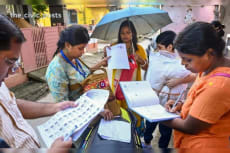
Looking beyond the physical walls of the medical center, the governing trust has long recognized that the most effective way to beat cancer is to intercept it before it advances. Drawing inspiration from public health movements where early detection is prioritized as the primary defense against mortality, the organization launched extensive community outreach initiatives. The institute deployed a fleet of custom-equipped mobile cancer screening vans, packed with diagnostic machinery, directly into the rural heartlands of the Telugu states.
The societal impact of these preventive drives has been monumental, resulting in hundreds of thousands of rural citizens receiving early diagnostic checks at their doorsteps. As part of its landmark anniversary milestones, the hospital conducted additional free screenings for over forty-five thousand individuals, a group that included more than twenty-five thousand women. This massive scale and rapid public execution have earned the institution multiple official world records.
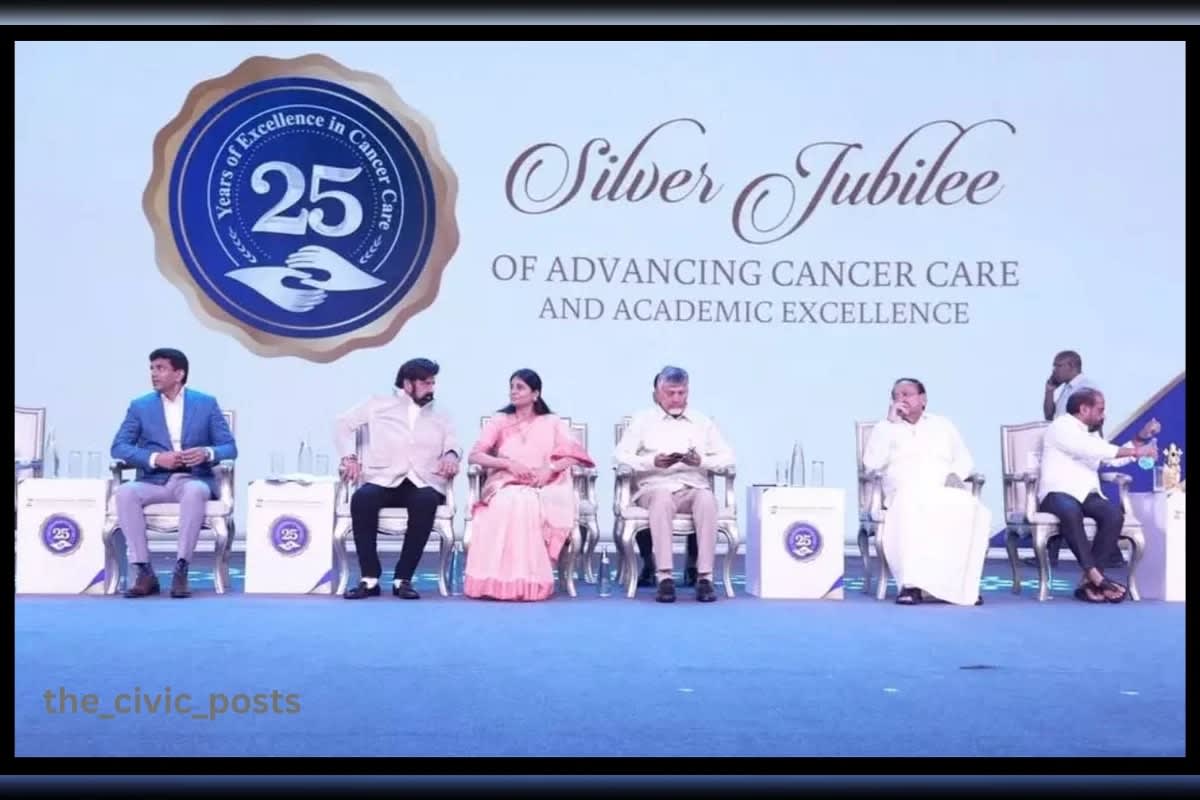
The milestone silver jubilee gatherings in Hyderabad were treated less as a celebration of past accomplishments and more as a launchpad for future expansion. Currently operating under the active leadership of Trust Chairman and prominent public figure Nandamuri Balakrishna, alongside a dedicated board of trustees, the foundation is preparing to scale its impact for future generations. The leadership frequently emphasizes that while paths born out of hardship often lead to extraordinary destinations, creating fresh avenues of survival for cancer patients remains their permanent north star.
The family views it as a profound generational privilege that three distinct eras of their lineage have been allowed to sustain this unbroken chain of public service. To meet the ever-growing regional demands for advanced oncology, the trust has finalized a bold roadmap for expansion. This strategic plan features the development of a brand-new, state-of-the-art, one-thousand-bed integrated cancer research hospital located in the capital region of Amaravati.
This upcoming facility is designed to replicate and expand the original model of empathetic, low-cost, and world-class oncological care, ensuring that the final, compassionate wish of a passing mother will continue to shield millions of families from pain for generations to come.