Seethakka’s Strong Statements Put BJP Leaders in the Spotlight
Alekhya Kota - JUN 20, 2026
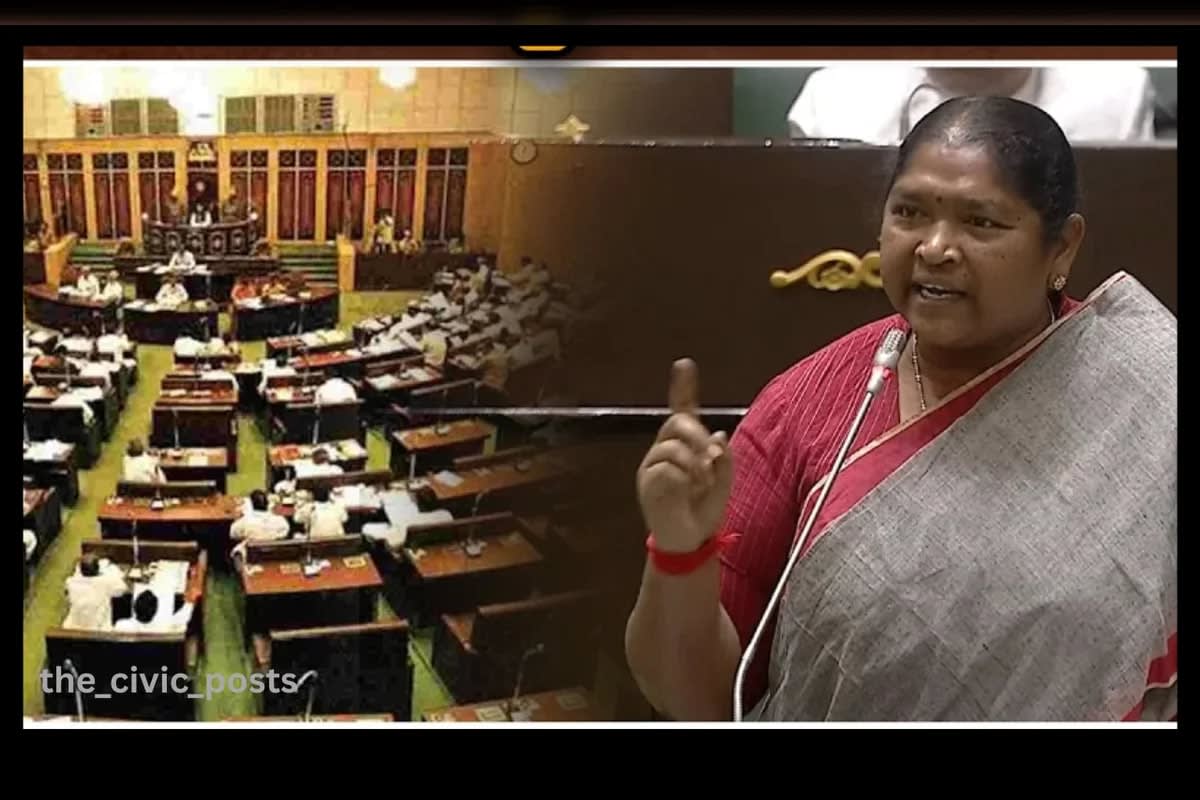
Politics often thrives on sharp exchanges, ideological differences, and public debates, and recent comments made by Telangana Minister Seethakka have once again brought political rivalries into the spotlight. Her remarks directed at BJP leaders have generated widespread discussion among political observers, party workers, and the general public. The comments have not only intensified the political discourse in the State but have also highlighted the growing competition between major political parties as they seek to strengthen their influence among voters.
Seethakka has earned a reputation as a leader who speaks openly on issues she believes affect the public. Known for her grassroots approach and close connection with people in rural areas, she often addresses political matters with directness. Her latest remarks against BJP leaders have therefore attracted considerable attention, with supporters viewing her statements as a strong defense of her party’s position, while critics have interpreted them as part of the ongoing political confrontation between rival parties.
The comments came during a public interaction where discussions reportedly centered on governance, development, welfare initiatives, and political accountability. As political parties increasingly prepare for future electoral battles, leaders from different camps have been actively criticizing each other’s policies and performance. In this context, Seethakka’s remarks were seen as part of a broader effort to challenge the narratives being promoted by political opponents.
One of the key themes reflected in her statements was the importance of focusing on public welfare rather than political rhetoric. She emphasized that governments should be evaluated based on their ability to deliver benefits to citizens and improve living standards. According to her perspective, political leaders should prioritize solutions to public problems instead of engaging in unnecessary controversies. This argument resonated with many supporters who believe that governance should remain centered on development and welfare.
Seethakka also appeared to question the criticisms directed toward her party by BJP leaders. She suggested that political opponents often highlight shortcomings while overlooking achievements and ongoing initiatives. Such exchanges are common in democratic politics, where competing parties attempt to shape public opinion by presenting contrasting interpretations of government performance. Her remarks reflected the belief that achievements should be judged through tangible outcomes rather than political narratives.
Another aspect of her comments focused on the relationship between political promises and public expectations. Modern voters are increasingly aware of policy decisions and government actions. As a result, political leaders face growing pressure to demonstrate results. Seethakka argued that political discussions should be grounded in facts and practical outcomes rather than exaggerated claims. This message appeared aimed at reinforcing confidence in her party’s governance record.
The reaction to her comments was swift. Supporters praised her for speaking with confidence and defending her party’s position. Many viewed her remarks as an example of assertive leadership and appreciated her willingness to confront criticism directly. For these supporters, her statements reflected a commitment to protecting the interests of the people and highlighting the work carried out by the government.
Opposition leaders, however, responded differently. Critics argued that political debates should focus on addressing public concerns rather than escalating confrontations. They maintained that questioning government performance is an essential part of democratic accountability and that opposition parties have a responsibility to scrutinize those in power. Such responses demonstrate the differing perspectives that naturally emerge in a competitive political environment.
The controversy surrounding Seethakka’s comments also reflects the changing nature of political communication. In today’s digital age, statements made during speeches or public events can spread rapidly through social media platforms and news channels. As a result, political remarks often reach far larger audiences than before. This increased visibility means that even a single statement can influence public discussion and shape political narratives.
Political analysts note that strong public statements are often intended to energize party workers and reinforce support among core voters. Leaders frequently use such opportunities to communicate confidence, challenge opponents, and draw attention to issues they consider important. Seethakka’s remarks can therefore be viewed not only as criticism of political rivals but also as a strategic effort to strengthen her party’s position in the public arena.
The debate generated by her comments also highlights the importance of political accountability in a democracy. Healthy political systems depend on vigorous discussions where leaders present their viewpoints, defend their records, and respond to criticism. While disagreements may sometimes become intense, they also provide voters with an opportunity to evaluate competing visions and make informed decisions.
Another significant dimension of the discussion involves public expectations from political leaders. Citizens increasingly expect representatives to address practical issues such as employment, education, healthcare, infrastructure, and social welfare. Political debates are often judged not merely by their intensity but by their relevance to these concerns. Leaders who successfully connect political arguments to everyday challenges faced by citizens are often more effective in gaining public support.
Seethakka’s political journey has contributed to the attention surrounding her remarks. Having built her image through active engagement with communities and a focus on grassroots issues, she is often perceived as a leader who understands local concerns. This background gives additional weight to her statements and explains why her comments frequently attract media attention.
The episode also underscores the broader political competition unfolding in Telangana. As parties seek to expand their influence, confrontations between leaders are likely to become more frequent. Each party aims to present itself as the most capable of addressing public needs and delivering effective governance. In this environment, public statements often serve as tools for defining political identities and differentiating one party from another.
Beyond the immediate controversy, the discussion generated by Seethakka’s remarks raises important questions about the nature of political dialogue. Citizens benefit when debates focus on policies, governance outcomes, and solutions to pressing challenges. At the same time, political competition remains an essential feature of democracy, encouraging leaders to defend their records and articulate their visions for the future.
The strong reactions from both supporters and critics demonstrate that political communication continues to play a vital role in shaping public opinion. Whether one agrees or disagrees with her statements, there is little doubt that Seethakka’s comments succeeded in attracting attention and stimulating discussion. Such debates often influence how political issues are perceived and can contribute to broader conversations about governance and accountability.
As Telangana’s political landscape continues to evolve, exchanges between leaders from different parties are likely to remain a prominent feature of public life. The challenges facing governments, the expectations of citizens, and the ambitions of political parties will continue to shape these interactions. Leaders will seek opportunities to highlight their achievements, question their opponents, and persuade voters that their approach offers the best path forward.
Ultimately, Seethakka’s remarks against BJP leaders have become more than a simple political statement. They have sparked discussions about governance, public welfare, accountability, and the responsibilities of political leadership. The episode illustrates how a single set of comments can generate widespread attention and influence political discourse. As public debate continues, voters will evaluate the arguments presented by all sides and determine which perspectives align most closely with their expectations for the future.