Tamil Nadu Power Cuts Trigger Political Clash Between BJP and CM Vijay
Alekhya Kota - MAY 27, 2026
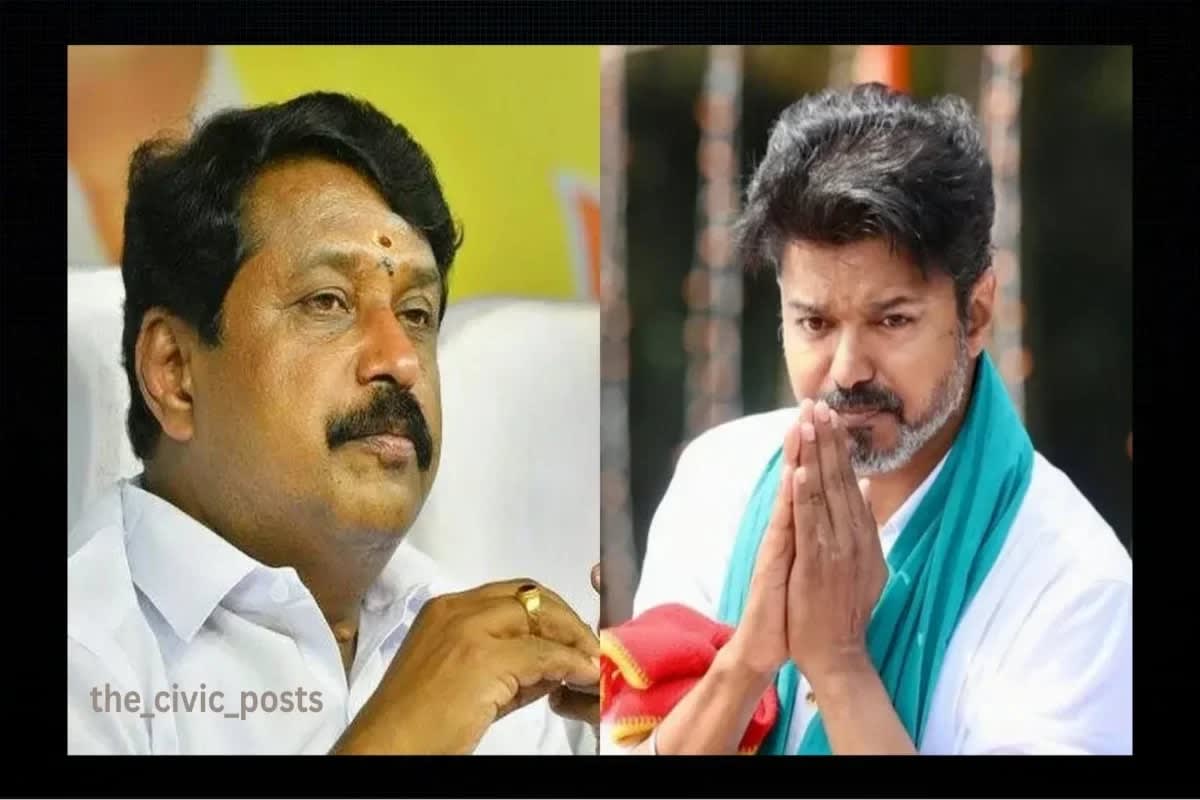
Fresh power outages across several parts of Tamil Nadu have now turned into a major political issue, with state BJP president Nainar Nagenthran strongly criticising Chief Minister C. Joseph Vijay over the worsening electricity situation. The controversy has intensified political tensions in the State, as residents and businesses continue to complain about frequent disruptions in power supply during the peak summer season.
Nainar Nagenthran questioned the State government over repeated electricity failures in both urban and rural areas. According to him, people across Tamil Nadu are facing long and unexpected power cuts despite promises of uninterrupted supply from the ruling administration. He accused the government of failing to manage electricity distribution efficiently and demanded an explanation from the Chief Minister regarding the sudden rise in outages.
The BJP leader alleged that several districts were experiencing unscheduled power interruptions that were affecting households, students, farmers and small businesses. In many regions, residents reportedly complained about electricity going off for hours during extremely hot weather conditions, making daily life difficult. Social media too witnessed growing frustration, with many users posting complaints about voltage fluctuations and repeated shutdowns.
Nagenthran stated that Tamil Nadu had once been considered among the better-performing States in power management, but the present situation was creating dissatisfaction among the public. He argued that the government should focus on strengthening infrastructure and ensuring proper maintenance instead of giving excuses for the disruptions.
The criticism also carried political significance because the newly formed government led by Vijay has been under intense observation ever since coming to power in Tamil Nadu. The actor-turned-politician entered governance with massive public expectations, especially among youth and middle-class voters who hoped for administrative reforms and improved public services. However, opposition parties are now trying to corner the government on issues related to governance and public utilities.
According to BJP leaders, the electricity issue is not limited to isolated incidents but reflects larger administrative problems. They claimed industries, especially small-scale businesses, are suffering due to unstable power supply. Tamil Nadu’s industrial sector, particularly textile and manufacturing units, depends heavily on uninterrupted electricity. Frequent outages can slow production, affect machinery and increase operational costs.
Farmers too are believed to be facing difficulties because agriculture in many regions depends on electric pump sets for irrigation. During summer months, irregular power supply can directly affect crop management and water access. Opposition leaders argued that the State government must address these concerns urgently before the situation worsens further.
Meanwhile, supporters of the ruling administration defended the government and accused the BJP of politicising temporary technical issues. They argued that rising electricity demand during extreme summer conditions has placed pressure on the power grid in several States, not just Tamil Nadu. Government supporters also claimed officials are already working to stabilise supply and improve transmission systems.
The debate over electricity has now become another battleground in Tamil Nadu’s rapidly changing political landscape. Since Vijay entered active politics and assumed leadership responsibilities, every administrative issue has attracted intense political attention. Opposition parties, particularly the BJP, appear determined to use governance-related challenges to test the new administration’s credibility.
Political observers believe the issue could have a wider impact because electricity supply directly affects everyday life. Unlike many political debates that remain limited to speeches and rallies, power cuts immediately influence homes, businesses, hospitals, schools and public services. This makes the issue highly sensitive among voters.
At the same time, the controversy reflects how governance expectations have increased in the digital age. Citizens now quickly share complaints online, and issues like power cuts can trend across social media within minutes. Public dissatisfaction spreads rapidly, increasing pressure on governments to respond quickly and transparently.
The BJP’s criticism also signals its attempt to strengthen its political presence in Tamil Nadu by aggressively targeting public issues. Although the party has traditionally struggled to establish deep roots in the State, leaders like Nainar Nagenthran are increasingly adopting a sharper opposition role against the ruling government.
For Chief Minister Vijay, the challenge goes beyond politics. The government now faces pressure to reassure people that electricity shortages will be controlled and infrastructure improvements will be prioritised. Any prolonged disruption could provide more opportunities for opposition parties to question the administration’s efficiency.
As political exchanges continue, ordinary citizens remain focused on one simple expectation - stable and uninterrupted electricity supply. Whether the current controversy fades away or develops into a larger political issue may ultimately depend on how quickly the government manages to restore public confidence and resolve complaints on the ground.