TDP Sends a Strong Message with Its Rajya Sabha Selections
Editorial desk - JUN 8, 2026
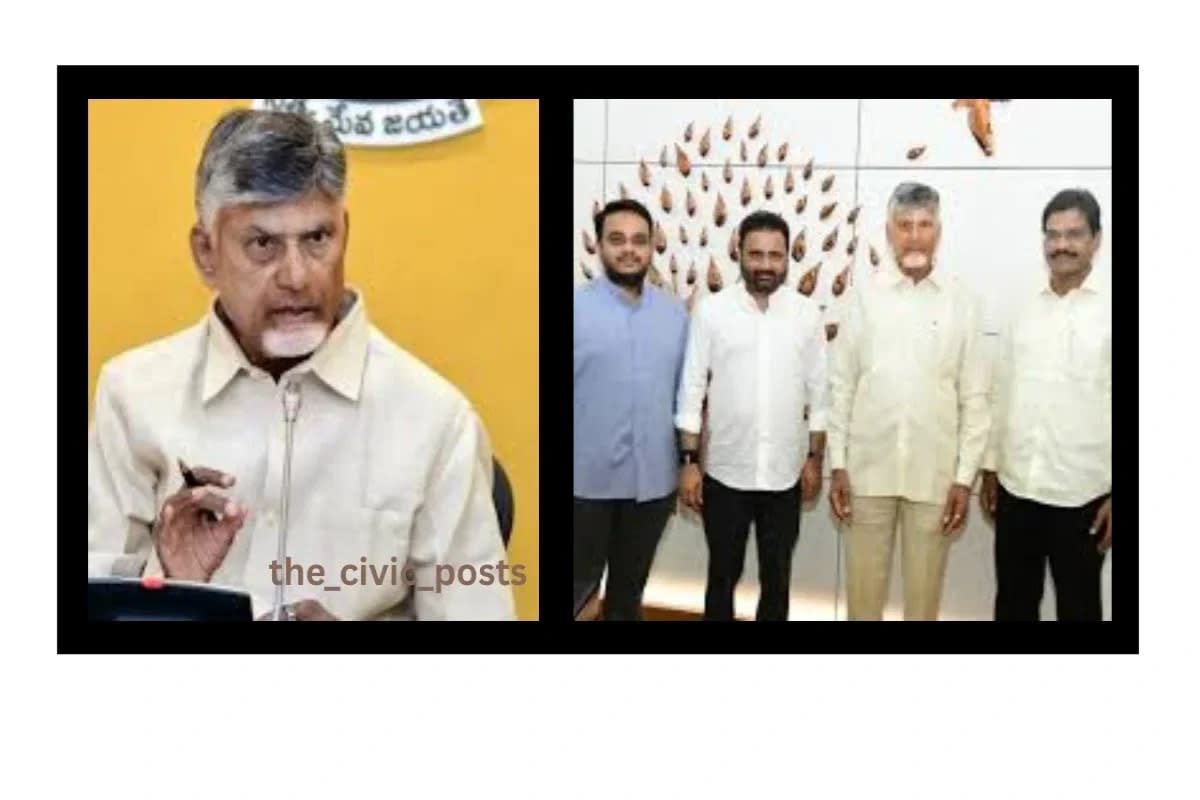
The Telugu Desam Party (TDP) has set the political tone in Andhra Pradesh by announcing its candidates for the upcoming Rajya Sabha elections. The party has nominated Sana Satish, Bhashyam Ramakrishna, and Chintakayala Vijay, a move that reflects both political calculation and a broader vision for representation in the Upper House of Parliament.
Rajya Sabha elections are often viewed as an opportunity for political parties to showcase their priorities and long-term plans. Unlike direct elections, these nominations allow parties to choose individuals whom they believe can effectively represent their interests and contribute to national policymaking. In selecting these three candidates, TDP appears to have focused on a combination of professional achievement, organizational loyalty, and public engagement.
The decision has attracted attention because the nominees come from different backgrounds and bring varied experiences to the table. This diversity suggests that the party is looking beyond conventional political equations and placing value on expertise and contribution in different fields.
Among the nominees, Sana Satish is known for his association with the business community. His nomination is being seen as an indication that economic growth and investment remain central themes in the party’s thinking. Andhra Pradesh is in a phase where industrial development, job creation, and infrastructure expansion are key priorities. Leaders with an understanding of business ecosystems can offer practical insights into policies that influence economic growth. By choosing a candidate with such a background, the party appears to be acknowledging the growing role of industry and entrepreneurship in shaping public policy.
Bhashyam Ramakrishna brings a different dimension to the list. Widely associated with the education sector, his nomination highlights the importance of knowledge, learning, and skill development in the state’s future. Education is increasingly recognized as one of the strongest foundations for social and economic progress. The challenges facing students, institutions, and educators require informed discussions and effective policy interventions. Having a representative with experience in this area can add depth to debates on education, youth development, and human resource growth.
The third nominee, Chintakayala Vijay, represents the organizational strength of the party. His rise reflects the significance of grassroots work and dedication within political organizations. Every successful political party relies not only on prominent public figures but also on leaders who build connections with workers and supporters at every level. His nomination can be viewed as recognition of consistent contribution and commitment to the party’s growth.
Taken together, the three nominations reveal a broader strategy. Rather than concentrating representation in a single category, the party has distributed its choices across business, education, and organizational leadership. This balanced approach creates a team with different strengths and perspectives, potentially enabling more comprehensive participation in parliamentary discussions.
The Rajya Sabha occupies a unique place in India’s democratic framework. While the Lok Sabha often captures public attention through electoral contests and political debates, the Upper House plays a critical role in reviewing legislation and discussing issues that have long-term national implications. Members are expected to contribute thoughtfully to policy matters affecting governance, economic development, social welfare, education, and state interests.
For Andhra Pradesh, effective representation in Parliament carries special importance. The state continues to seek support for infrastructure projects, investment initiatives, employment opportunities, and educational advancement. Leaders representing the state are expected to ensure that these priorities remain visible in national discussions. The choice of candidates suggests that the TDP wants representatives who can engage with these issues from different angles and provide meaningful inputs.
Political observers also see the nominations as a reflection of the party’s confidence in a new generation of leadership. While experience remains important, modern governance increasingly requires specialized knowledge and practical understanding of real-world challenges. Policymaking today involves navigating complex issues such as economic competitiveness, technological transformation, educational reform, and sustainable development. Individuals with professional expertise can contribute significantly to these conversations.
At the same time, the nominations serve as a message to party workers. Recognition of commitment and contribution often strengthens organizational morale. By elevating leaders who have established themselves through consistent effort, the party reinforces the idea that dedication and performance are valued qualities within its structure.
The announcement also comes at a politically significant moment. Andhra Pradesh is witnessing rapid changes in its political environment, and every parliamentary seat holds strategic value. Representation in the Rajya Sabha is not merely symbolic; it can influence how effectively a party participates in national debates and advocates for state interests. Therefore, the selection of candidates is often viewed as a reflection of a party’s priorities and future direction.
Another noteworthy aspect is the emphasis on inclusiveness in representation. Modern societies are shaped by contributions from multiple sectors, including business, education, technology, and public service. Political institutions increasingly benefit when they include voices that understand these diverse fields. The TDP’s nominations appear to align with this broader trend by bringing together individuals with distinct experiences and perspectives.
As the election process progresses, public attention will naturally turn toward the role these nominees may play in the future. Expectations will be high, particularly regarding their ability to represent Andhra Pradesh’s interests and contribute constructively to national policymaking. Their performance in Parliament will ultimately determine how their nominations are remembered.
In many ways, the announcement is about more than three individuals. It is about the message the party wishes to send regarding leadership, representation, and governance. By choosing Sana Satish, Bhashyam Ramakrishna, and Chintakayala Vijay, the Telugu Desam Party has signaled that it values a combination of expertise, commitment, and vision.
Whether viewed through a political or developmental lens, the nominations represent an important step in shaping the party’s future role at the national level. They reflect an effort to ensure that Andhra Pradesh’s voice in Parliament is supported by individuals capable of bringing varied experiences and informed perspectives to the country’s legislative process.