Trump’s Peace Push Gains Attention as Israel-Iran Tensions Test Stability
Editorial desk - JUN 8, 2026
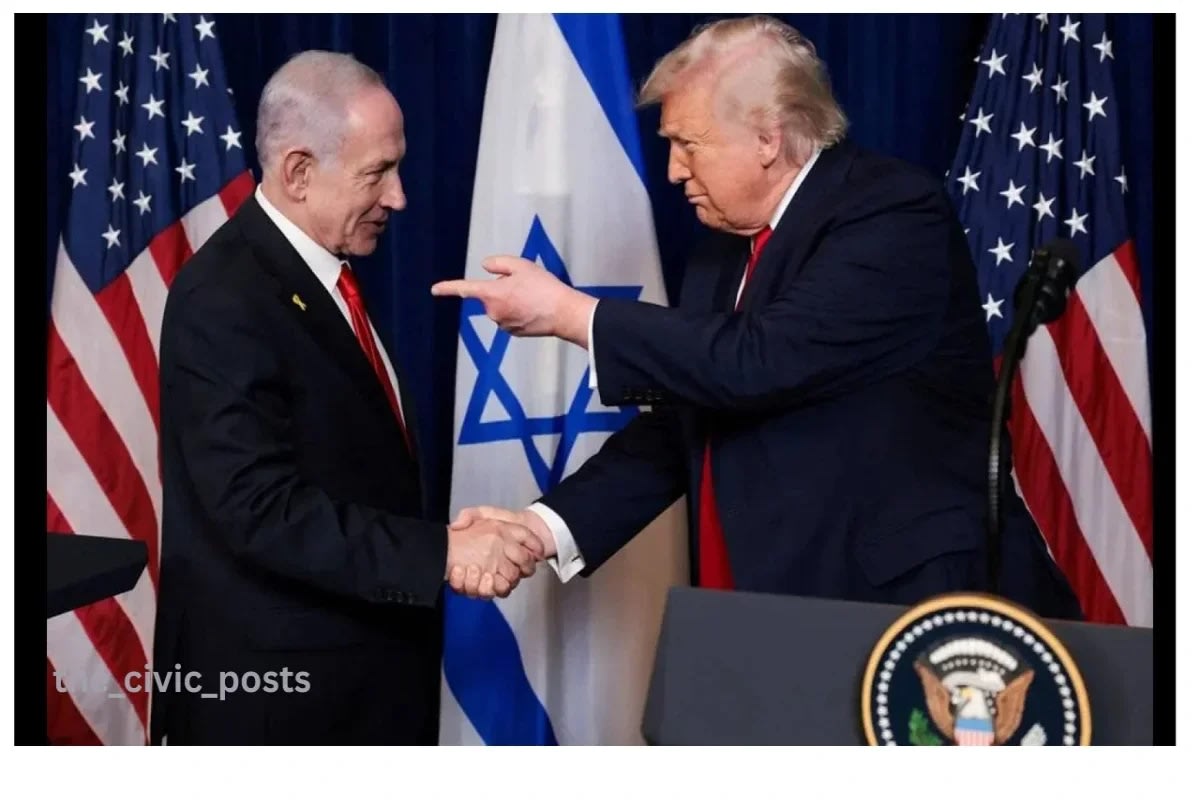
The Middle East is once again at a crossroads. As tensions between Israel and Iran continue to draw global attention, the possibility of either a diplomatic breakthrough or a dangerous escalation has become a major concern for world leaders. In this sensitive environment, U.S. President Donald Trump has reportedly encouraged Israeli Prime Minister Benjamin Netanyahu to avoid actions that could trigger a wider conflict, arguing that efforts toward a peaceful understanding are closer than they have been in a long time.
The situation reflects the complex realities of modern geopolitics, where a single military decision can influence the security, economy, and stability of multiple regions. With uncertainty already affecting international relations, many governments are carefully watching developments, hoping diplomacy can prevail over confrontation.
For decades, Israel and Iran have remained on opposite sides of some of the region’s most important strategic issues. Their rivalry has influenced political alliances, security policies, and military planning across the Middle East. While direct conflict has often been avoided, tensions have repeatedly surfaced through warnings, accusations, and regional power struggles.
Against this backdrop, any indication of progress toward reducing hostilities is viewed as significant. The belief that negotiations may be moving in a positive direction has encouraged international stakeholders to advocate caution. The reasoning is simple: when diplomatic channels remain open, military action can jeopardize months of careful discussions and destroy opportunities that may not easily return.
Trump’s reported message emphasizes the importance of timing in international diplomacy. Even countries with strong security concerns often face pressure to exercise restraint when negotiations are underway. Supporters of diplomacy argue that lasting peace rarely emerges from force alone and that meaningful agreements require patience, dialogue, and calculated decision-making.
The current situation also highlights how modern conflicts extend far beyond national borders. Any major confrontation involving Israel and Iran would not remain limited to the two countries. It could affect neighboring nations, disrupt regional stability, and create economic consequences felt around the world. This reality explains why global powers continue to invest significant effort in preventing tensions from escalating further.
One of the most immediate concerns surrounding any potential conflict is its impact on international markets. The Middle East remains a crucial region for global energy supplies, and uncertainty often influences oil prices and investor confidence. Businesses, governments, and financial institutions closely monitor developments because geopolitical instability can quickly affect economic conditions far beyond the region itself.
At the same time, security concerns remain a major factor. Israel has consistently emphasized the need to protect its national interests and maintain vigilance against potential threats. From its perspective, security cannot be compromised. However, international partners often encourage balancing those concerns with diplomatic opportunities, particularly when negotiations appear to be making progress.
Iran also plays a critical role in shaping the region’s future. Its influence extends across political, economic, and security matters, making it a key participant in any effort aimed at reducing tensions. Any successful diplomatic initiative would likely require cooperation, compromise, and mutual understanding among multiple stakeholders with differing priorities.
The challenge, however, lies in overcoming years of distrust. Diplomatic efforts often struggle because historical grievances and security concerns make compromise difficult. Every side enters negotiations with its own expectations, objectives, and limitations. Building confidence under such circumstances requires persistence and a willingness to focus on long-term stability rather than immediate political gains.
Despite these obstacles, many analysts believe that dialogue remains the most practical path forward. History has shown that prolonged conflicts rarely produce lasting solutions. While military actions may provide temporary advantages, they often create new challenges that require years to resolve. Diplomatic agreements, though difficult to achieve, offer a greater chance of establishing sustainable peace.
The current developments also underscore the importance of leadership during times of uncertainty. Decisions made by political leaders in critical moments can influence the direction of entire regions. Calls for restraint are not necessarily signs of weakness; they often reflect an understanding of the broader consequences that conflict can produce.
International reactions to the situation have generally favored efforts aimed at de-escalation. Many countries believe that avoiding further military action is essential to preserving regional stability and maintaining opportunities for constructive dialogue. The hope is that negotiations can address key concerns while preventing a crisis that could affect millions of people.
Public opinion around the world is equally focused on the outcome. Citizens, businesses, and policymakers all recognize that peace and stability benefit not only the nations directly involved but also the international community as a whole. In an increasingly interconnected world, regional conflicts have global implications, making diplomatic solutions more important than ever.
While optimism exists, there is also recognition that the road ahead will not be easy. Negotiations can be fragile, and unexpected events can quickly change the political landscape. A misunderstanding, miscalculation, or sudden escalation could complicate progress and increase tensions. This uncertainty explains why world leaders continue urging caution and responsible decision-making.
As discussions continue, the coming weeks may prove decisive. Diplomatic efforts will be tested by political realities, security concerns, and competing interests. Success will depend on whether all parties can maintain focus on the broader objective of stability rather than allowing short-term pressures to dominate the process.
Ultimately, the current moment represents more than a diplomatic challenge. It is a test of whether dialogue can overcome distrust and whether leaders can prioritize long-term peace over immediate confrontation. The choices made now could shape the future of the region for years to come.
The world is watching closely, hoping that reason, patience, and diplomacy will guide the next chapter. While uncertainty remains, the possibility of a peaceful outcome offers a reminder that even in periods of heightened tension, opportunities for progress still exist. Whether those opportunities are seized will determine the course of events in one of the world's most strategically important regions.