Vijay’s Strongest Water Stand Yet: Assembly Opposes Mekedatu Project
Alekhya Kota - JUN 19, 2026
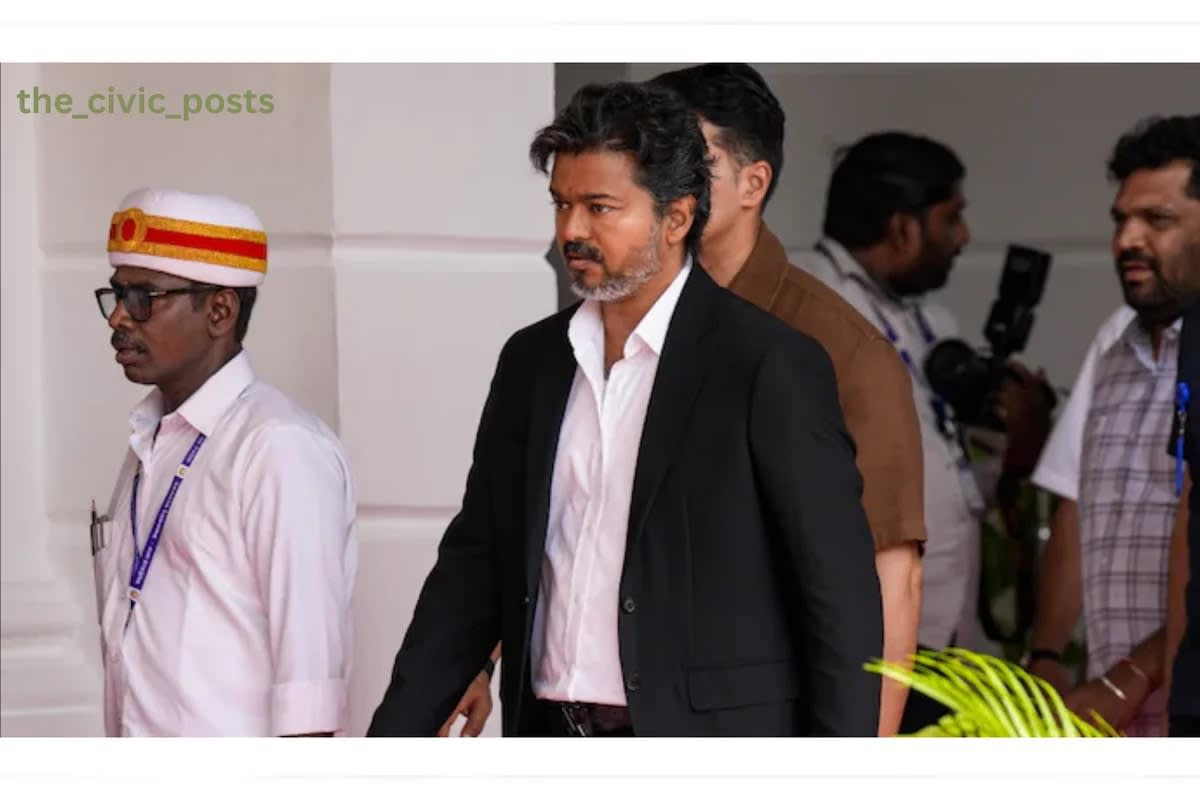
Water has always been one of the most valuable resources in India, and whenever questions arise about its distribution, emotions run high. This reality is especially true in southern India, where the Cauvery River supports millions of people across different states. The latest political development surrounding the proposed Mekedatu dam project has once again brought the issue of water sharing into the spotlight. Tamil Nadu Chief Minister Vijay's decision to move a resolution against the project in the State Assembly has generated significant attention, leading to renewed discussions about water rights, agricultural security, and interstate relations.
The resolution reflects Tamil Nadu's long-standing concern over any project that could potentially influence the flow of Cauvery water into the state. For decades, the river has been at the center of discussions involving development, farming, and regional interests. Although governments have changed over the years, Tamil Nadu's position regarding projects that may affect downstream water availability has remained largely consistent.
The Cauvery River is far more than a geographical feature. It is an economic lifeline for thousands of villages and towns. The river sustains farming activities, supports local businesses, and provides water for domestic use. In several districts, agricultural production depends heavily on the availability of Cauvery water during key cultivation periods. This dependence explains why any proposal involving new reservoirs, dams, or storage facilities immediately attracts public attention.
For many farming families, water is directly linked to income and survival. A successful agricultural season often depends on receiving water at the right time. Delays or shortages can affect crop yields and create financial challenges. Because of this, farmers closely monitor developments related to river management and often view such projects through the lens of long-term security.
The Mekedatu proposal has become controversial because of differing interpretations of its potential impact. Supporters argue that additional infrastructure can improve water management and help meet growing future requirements. They point to increasing populations, urban expansion, and the need for better resource planning. From this perspective, the project is presented as a step toward addressing future challenges.
Opponents, however, are concerned about what the project could mean for downstream regions. Their concerns are rooted in the belief that additional storage capacity could alter the way water is managed. Even if immediate impacts are uncertain, many feel that the long-term consequences must be examined carefully before major decisions are made.
This difference in perspective has turned the Mekedatu issue into a major political topic. It is not simply a debate about engineering or infrastructure. It is a discussion about trust, resource sharing, and the future of communities that depend on the river.
Chief Minister Vijay's decision to place the issue before the Assembly was a strategic move that carried both political and symbolic significance. By seeking legislative support, he ensured that Tamil Nadu's concerns were formally recorded through a democratic process. The resolution also provided an opportunity for representatives from different regions to voice their opinions and express solidarity on an issue affecting the state.
One of the most notable aspects of the development was the support it received from various political parties. Political competition often creates sharp divisions, but water-related issues frequently transcend party lines. Leaders who disagree on many subjects often find common ground when discussing matters connected to regional interests and public welfare.
The support from multiple parties strengthened the message that the issue is being viewed as a collective concern rather than a partisan campaign. Such unity is particularly important when states seek to present a strong and consistent position on matters involving shared resources.
The debate also highlights broader questions about how India manages interstate rivers. Rivers flow according to natural geography rather than political boundaries. As a result, multiple states often depend on the same water source. Balancing these interests requires cooperation, negotiation, and long-term planning.
The challenge becomes even greater as demand for water continues to rise. Growing populations require additional drinking water supplies. Expanding cities need infrastructure capable of supporting development. Industries require reliable access to resources. At the same time, agriculture remains dependent on predictable water availability. Meeting all these needs simultaneously is one of the most complex tasks facing policymakers.
Climate-related challenges have further increased the importance of effective water management. Irregular rainfall patterns, prolonged dry periods, and changing weather conditions have made resource planning more difficult. Governments across the country are being forced to think beyond immediate needs and prepare for future uncertainties.
In this environment, projects like Mekedatu inevitably attract scrutiny. People want assurance that decisions are based on careful analysis and that the interests of all stakeholders are being considered. Transparency becomes essential because water-related decisions often have consequences lasting for generations.
Environmental concerns also play a significant role in modern discussions about river projects. Large infrastructure developments can influence ecosystems, wildlife habitats, and natural water flows. Increasing awareness of environmental sustainability has led citizens and experts alike to demand thorough assessments before major projects receive approval.
The Mekedatu discussion therefore extends beyond politics. It touches on issues of environmental responsibility, agricultural sustainability, economic development, and social equity. Each of these factors contributes to the complexity of the debate.
For Chief Minister Vijay, the issue represents an opportunity to demonstrate leadership on a subject that resonates strongly with the public. Water security remains one of the most important concerns for many households, particularly in regions dependent on agriculture. Taking a visible stand allows the government to show that it is actively engaged in protecting state interests.
Public reaction suggests that the issue will remain relevant for the foreseeable future. Farmers' associations, civic organizations, and community groups continue to monitor developments closely. Their involvement reflects the widespread understanding that water management decisions can have far-reaching consequences.
At the same time, many observers emphasize the importance of maintaining dialogue between states. Lasting solutions to resource disputes rarely emerge through confrontation alone. Meaningful progress often requires communication, technical expertise, and a willingness to consider different perspectives.
The future of the Mekedatu project remains uncertain, but the debate surrounding it has already highlighted several important realities. Water is becoming an increasingly valuable resource. Shared rivers require cooperative management. Environmental considerations must be integrated into development planning. Most importantly, decisions affecting millions of people must be approached with care, transparency, and responsibility.
As discussions continue, the issue is likely to remain a prominent topic in regional politics. Whether through legislative action, administrative processes, or further negotiations, governments will continue searching for solutions that balance development needs with resource protection.
Ultimately, the significance of the Mekedatu debate lies not only in the project itself but also in the broader questions it raises about governance and resource management. It serves as a reminder that water is not merely a commodity. It is a shared lifeline connecting communities, economies, and generations. Protecting that lifeline while meeting future needs is one of the defining challenges of our time, and the decisions made today will shape the future of millions for years to come.