Chiranjeevi Steps Forward to Calm Growing Revenue Dispute in Tollywood
Editorial desk - MAY 25, 2026
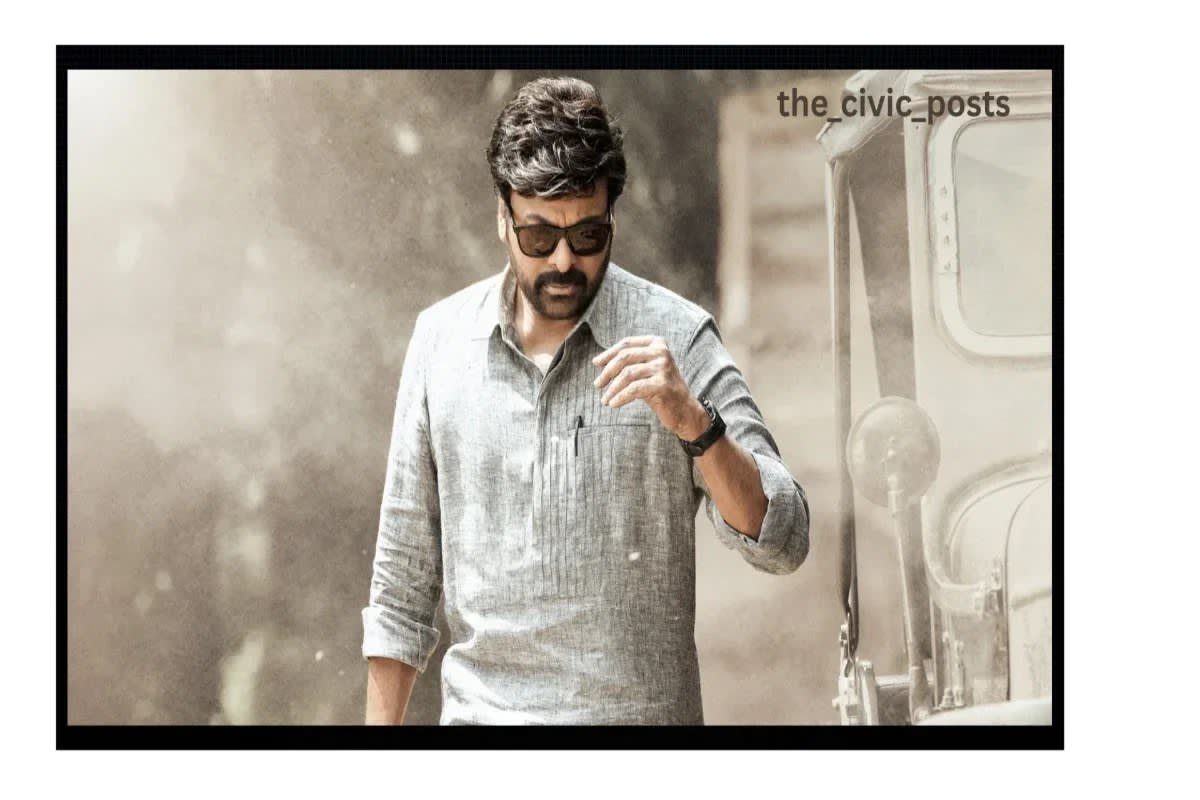
The Telugu film industry is witnessing fresh tension over the long-standing issue of revenue sharing between producers and theatre owners. As disagreements surrounding the “percentage system” intensified in recent days, Megastar Chiranjeevi reportedly stepped in to help resolve the conflict and prevent further divisions within the industry.
The dispute has reportedly emerged after several theatre exhibitors from Telangana expressed dissatisfaction with the current revenue-sharing structure followed after movie releases. According to industry discussions, exhibitors believe the existing system places a heavier financial burden on cinema halls while offering greater advantages to producers and distributors. This growing frustration eventually turned into a major topic of debate within Tollywood business circles.
At the centre of the controversy is the “percentage system,” which determines how ticket revenue from films is divided among producers, distributors, and theatre owners. In the Telugu film business, this arrangement plays a critical role because the survival of all sectors depends on theatrical earnings. However, changing market conditions have made the issue increasingly sensitive.
For theatre owners, especially those running single-screen cinemas and smaller theatres, the financial situation has become difficult in recent years. Rising electricity bills, maintenance costs, employee salaries, digital equipment expenses, and reduced audience footfalls have created serious operational pressure. Many exhibitors argue that despite carrying these expenses, their share of profits is not sufficient to maintain theatres comfortably.
At the same time, producers are also dealing with rapidly increasing film budgets. Big Telugu films today involve huge investments in actor remunerations, visual effects, action sequences, promotions, and large-scale production planning. Producers believe recovering these investments has become extremely challenging unless they secure strong theatrical revenue shares.
This clash of interests has created friction between both sides. Theatre owners want a more balanced revenue-sharing formula, while producers insist that large investments require favourable business terms. Industry insiders believe the disagreement has now reached a stage where intervention from senior and respected personalities became necessary.
That is where Chiranjeevi’s role has gained importance.
Known not only as one of Telugu cinema’s biggest stars but also as a respected industry elder, Chiranjeevi reportedly agreed to meet exhibitors and discuss their concerns personally. His involvement has created hope among many industry members who believe he can encourage meaningful dialogue and prevent the situation from worsening.
Over the years, Chiranjeevi has frequently played the role of mediator during difficult moments for the Telugu film industry. Whether it involved welfare issues, theatre-related problems, or disputes among stakeholders, he has often supported efforts aimed at maintaining unity within Tollywood. Because of his long-standing relationships across all sections of the industry, both producers and exhibitors are believed to have confidence in his leadership.
Industry observers say the present conflict reflects larger structural changes happening in the entertainment sector. The rise of OTT platforms and streaming services has significantly altered audience viewing habits. Many viewers now prefer watching films digitally rather than visiting theatres regularly. As a result, cinema halls are finding it increasingly difficult to maintain steady collections except during major star releases.
This changing environment has made survival harder for small and medium-sized theatres. Exhibitors argue that unless theatre businesses remain financially healthy, the overall theatrical ecosystem itself could suffer long-term damage. They believe cinema halls should not be treated merely as release platforms but as essential partners in the film business.
Meanwhile, producers feel theatrical recovery has become more uncertain than ever. Even films with massive expectations sometimes struggle after opening weekends due to changing audience preferences and online competition. Because of this unpredictability, producers are trying to maximise revenue during the early days of release, which often increases pressure on theatres.
The disagreement reportedly intensified after certain recommendations related to revenue percentages failed to satisfy exhibitors. Some theatre owners believed the proposals did not properly address their financial realities. This led to growing dissatisfaction and demands for fresh discussions regarding profit-sharing methods.
Several industry experts believe Tollywood now needs modern business reforms that suit the realities of today’s entertainment market. The revenue systems followed years ago may no longer work effectively in a rapidly changing environment dominated by digital platforms and fluctuating audience behaviour. Transparent agreements, flexible business models, and mutual cooperation are now considered essential for long-term stability.
The timing of this dispute has also become important because several high-budget Telugu films are scheduled for release in the coming months. Any prolonged disagreement between exhibitors and producers could create uncertainty regarding release planning and theatre operations. Industry members fear that unresolved tensions might negatively affect business confidence during a crucial period for Telugu cinema.
Chiranjeevi’s reported intervention is therefore being seen as an attempt to protect not just individual interests but the stability of the entire industry. Many believe his experience, influence, and balanced approach can help both sides arrive at a practical solution.
Film industry veterans often point out that Telugu cinema has survived many difficult phases because of unity and collective decision-making. From financial crises to technological transitions, the industry managed to move forward whenever stakeholders worked together instead of against one another. The current “percentage war” is now being viewed as another major challenge that requires mature leadership and cooperation.
While discussions are expected to continue, industry circles remain hopeful that Chiranjeevi’s involvement will create a peaceful resolution. Both exhibitors and producers understand that they depend on each other for survival. Without theatres, films lose their biggest public platform, and without films, theatres cannot sustain themselves.
For now, the focus remains on dialogue, compromise, and finding a balanced system that protects the interests of all stakeholders. The coming weeks may prove crucial in deciding how Tollywood handles one of its most sensitive financial disputes in recent years.