Pawan Kalyan Takes a Break from Public Duties Following Shoulder Surgery
Alekhya Kota - JUL 11, 2026
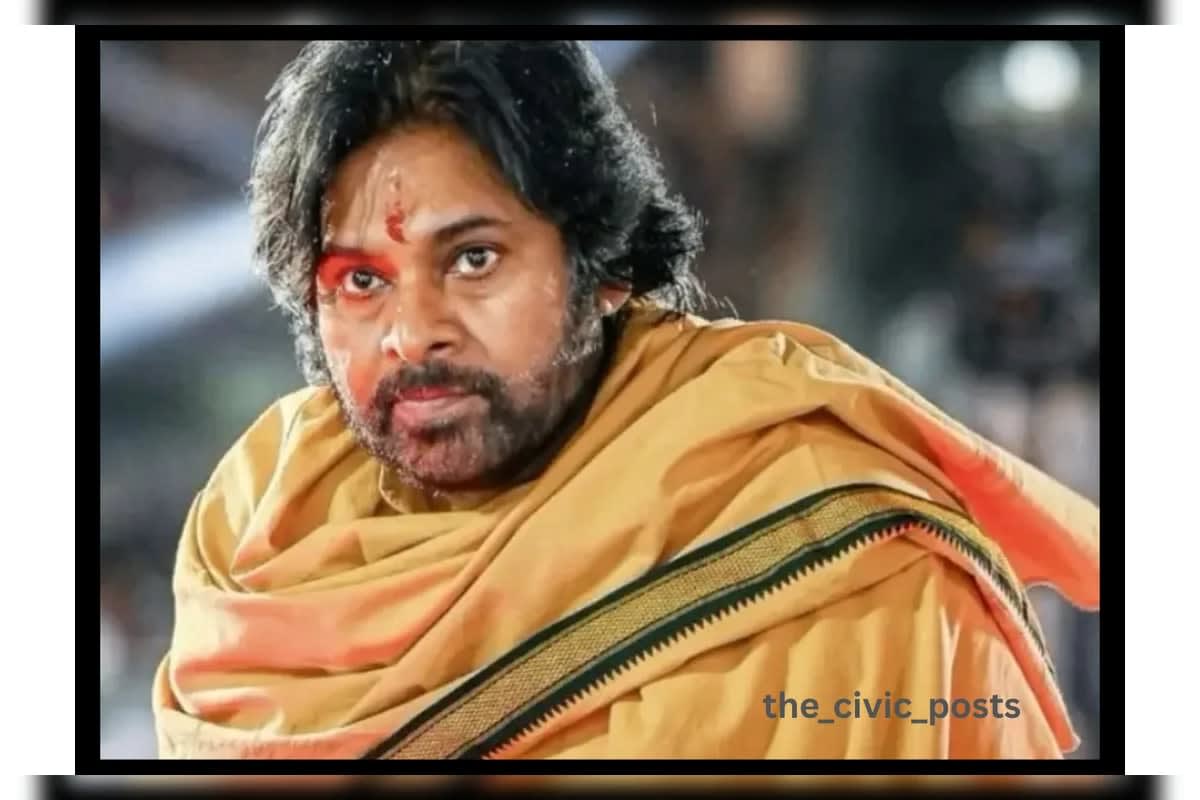
The complex relationship between professional public service commitments and personal physiological welfare was starkly highlighted as Andhra Pradesh Deputy Chief Minister K. Pawan Kalyan underwent a significant surgical procedure in Mumbai.
The high-profile political leader and founder of the JanaSena Party was admitted to the prestigious Kokilaben Dhirubhai Ambani Hospital, where a specialized team of orthopedic surgeons executed a major intervention to treat severe musculoskeletal damage in his upper body. The medical team successfully addressed a highly debilitating rotator cuff injury and associated muscle tears in his right shoulder during an operation that lasted approximately three and a half hours.
This clinical event marks the beginning of a phased medical strategy designed to resolve chronic physical trauma that the leader has quietly endured for nearly a decade while maintaining an intense schedule of public appearances, film shoots, and grueling political campaigns.
The physiological roots of this medical crisis trace back to 2016, a period marked by massive grassroots mobilization and political outreach across undivided Andhra Pradesh. During these intensely crowded public gatherings, overzealous supporters frequently pulled, jerked, and grabbed the leader’s arms and shoulders during handshakes and chaotic physical interactions.
Over time, these sudden, high-velocity forces caused progressive, micro-structural damage to the complex network of muscles and tendons that stabilize the glenohumeral joints. Despite experiencing chronic pain and receiving explicit medical advice at the time to step away from public life for extensive rest and therapeutic rehabilitation, the political leader prioritized his institutional and cinematic obligations.
The physical strain was further compounded during subsequent state-wide tours, election campaigns, and relentless interactions with large crowds, where the mechanical stress of constant handshaking and closely packed public movement caused the initial micro-tears to degenerate into severe, full-thickness muscle and tendon ruptures across both shoulders.
The immediate pathway to the operating room opened during a series of comprehensive medical evaluations conducted in the late spring of 2026. Following an episode of acute physical exhaustion, diagnostic imaging revealed extensive bilateral degeneration, with severe muscular tears and advanced rotator cuff injuries plaguing both his right and left shoulders.
Given the severity of the structural degradation, the orthopedic team in Mumbai delivered an urgent recommendation stating that immediate surgical reconstruction was absolutely necessary to prevent permanent functional impairment or chronic loss of joint mobility.
However, demonstrating a rigid commitment to state governance, the Deputy Chief Minister requested a temporary delay of the procedure. He informed his medical team that he would not enter the operating theater until he had successfully fulfilled a backlog of critical official responsibilities, high-level administrative reviews, and scheduled state engagements that required his active presence.
Upon the systematic completion of those immediate governance tasks, the leader traveled to Mumbai, where a comprehensive battery of pre-operative clinical assessments, blood panels, and cardiac clearances were finalized. When evaluating the surgical roadmap, the medical team faced a crucial technical decision regarding whether to perform a simultaneous bilateral reconstruction or follow a staged, sequential approach.
The surgical team ultimately determined that operating on both shoulders at the same time would inflict an unacceptably high level of post-operative trauma and create an incredibly painful and restrictive recovery period, as the patient would temporarily lose the functional use of both upper limbs.
To ensure patient safety and optimize the long-term structural success of the tissue repair, the doctors opted for a staged timeline. The initial three-and-a-half-hour surgery focused exclusively on reconstructing the severely compromised anatomy of the right shoulder, utilizing advanced techniques to reattach the torn tendons and stabilize the joint capsule.
The medical team has outlined a structured recovery blueprint that requires a strict balance of absolute physical rest and progressive rehabilitation. The Deputy Chief Minister will remain under close clinical observation before transitioning to a mandatory three-week period of total administrative rest, during which he must avoid any physical exertion or sudden arm movements to allow the reattached tendons to properly integrate with the bone.
Following this initial recovery phase, a multi-month protocol of targeted physical therapy will be introduced to gradually restore full range of motion, strength, and structural flexibility to the right shoulder. Because the underlying left shoulder requires an identical level of complex anatomical reconstruction, the surgical team has scheduled the second major operation after a necessary two-month recovery window.
This deliberate timeline ensures that the right arm will regain sufficient strength and independent operational capacity to support the leader while his left arm undergoes post-operative healing later in the autumn.
The news of the successful operation triggered an immediate wave of solidarity and well-wishes across India's political and cultural landscapes. Chief Minister N. Chandrababu Naidu issued a formal public message expressing his deep relief over the positive surgical outcome and wishing his deputy a swift, uncomplicated recovery so he can soon return to his governance duties at full strength.
Similar sentiments were echoed by leaders across various political spectrums, as well as millions of fans from his long career in the Telugu film industry. This medical pause presents a unique logistical challenge for the Andhra Pradesh administration, which has been working at an intense pace since taking office.
While the Deputy Chief Minister’s physical absence from the state capital will necessitate a temporary reallocation of immediate administrative oversight, his team has indicated that he intends to remain updated on crucial state developments through digital channels once the immediate post-operative fatigue subsides.
From a broader perspective, this medical event serves as a stark reminder of the massive physical toll that high-profile public life inflicts on political leaders in India. The nature of grassroots democratic engagement often demands that representatives subject themselves to intense physical exhaustion and chaotic crowd dynamics, where the risk of musculoskeletal injury is surprisingly high. By addressing a decade-old injury through a scientifically managed, multi-phase surgical protocol, the leader is prioritizing long-term physical sustainability over short-term political presence.
As the state prepares for the upcoming legislative sessions and major industrial implementation programs later in the year, the successful completion of this first surgical phase ensures that one of its primary leaders is on a definitive path toward full physical recovery, setting the stage for a stronger and more sustainable return to the frontlines of public service and state administration.