Sonakshi Sinha and Jyotika Shine in an Uneven Legal Thriller
Editorial desk - MAY 22, 2026
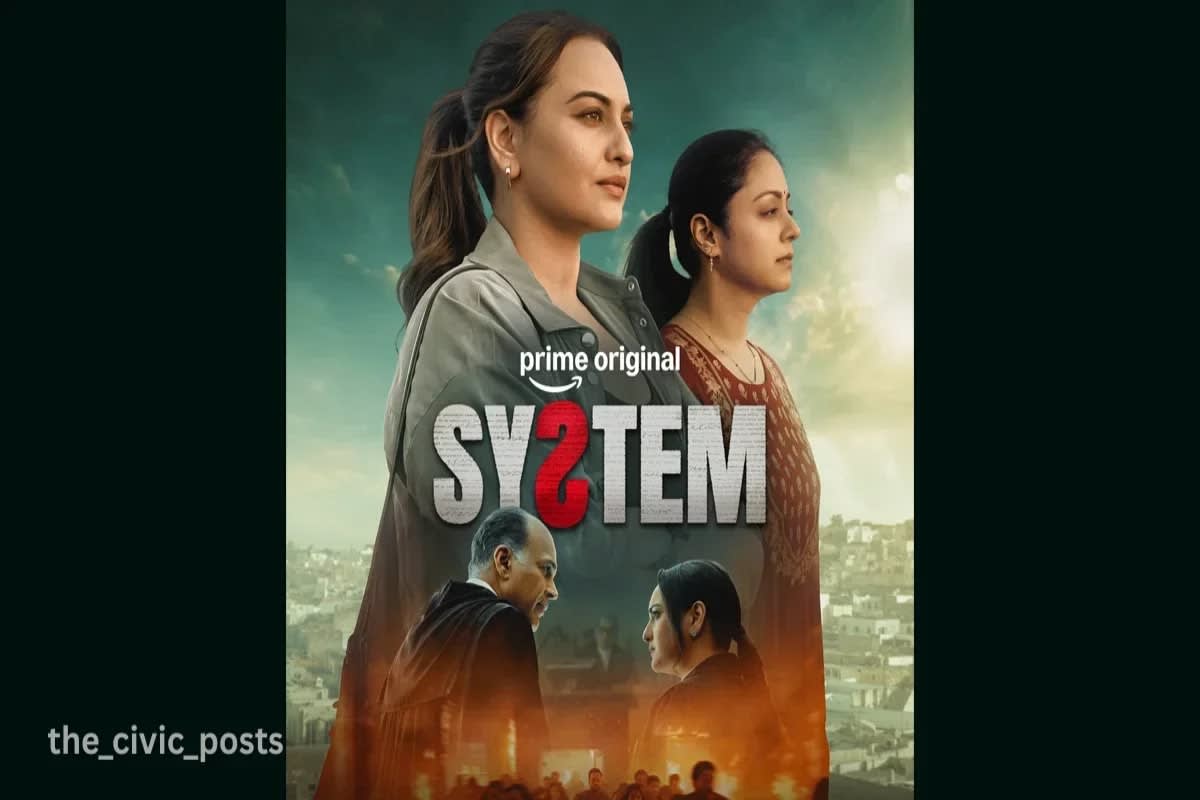
The courtroom drama System arrives with an interesting premise, a strong female-led cast, and the promise of a gripping emotional narrative. Featuring Sonakshi Sinha and Jyotika in key roles, the film attempts to blend legal suspense with personal struggles, social commentary, and emotional depth. Directed with an intention to create a meaningful drama rather than a routine commercial entertainer, the movie initially manages to capture attention through its layered storytelling and realistic setting. However, while the first half builds curiosity and emotional investment, the second half struggles to maintain the same intensity, resulting in a film that feels powerful in parts but uneven overall.
At its core, System revolves around the functioning of the legal system and the lives of people trapped within it. Instead of presenting the courtroom as a place filled only with dramatic speeches and heroic moments, the film tries to show the emotional pressure, politics, and moral dilemmas faced by individuals working in the justice system. This grounded approach works effectively during the opening portions of the film and helps create a believable atmosphere.
Sonakshi Sinha plays a determined lawyer who is eager to establish her own identity in a profession dominated by influence and reputation. Her character is ambitious, emotionally vulnerable, and constantly fighting to prove her capabilities. Rather than portraying her as a flawless hero, the film gives her emotional conflicts and moments of uncertainty, which makes the character feel more relatable. Sonakshi delivers one of her more restrained performances, focusing more on expressions and emotional balance than loud dramatics. Her performance grows stronger as the story progresses, especially during emotionally charged scenes.
Jyotika, on the other hand, brings maturity and depth to the narrative. She plays a woman who understands the loopholes and realities of the system from a very different perspective. Her character is calm, practical, and emotionally grounded, creating a strong contrast with Sonakshi’s more aggressive and ambitious personality. The interactions between the two actresses become one of the biggest strengths of the film. Their scenes together feel natural and emotionally engaging, adding authenticity to the story.
One of the film’s major achievements is its attempt to highlight the challenges women face in professional environments. Both lead characters deal with judgment, pressure, and constant scrutiny in different ways. The movie subtly touches upon issues like workplace inequality, social expectations, and emotional exhaustion without making the narrative feel overly preachy. These elements give System a sense of realism that separates it from many routine courtroom dramas.
Visually, the film maintains a serious and realistic tone throughout most of its runtime. The courtroom scenes are designed with simplicity instead of exaggerated cinematic glamour, which helps maintain authenticity. The background score supports the emotional tension effectively without becoming overpowering. The cinematography also complements the mood of the film by using darker tones and restrained visuals to create a tense atmosphere.
The screenplay remains engaging during the initial stages because the film carefully develops its central conflict. The audience slowly becomes invested in the legal battle as well as the personal journeys of the characters. The mystery elements and emotional stakes keep viewers curious about how the story will unfold. The writing also succeeds in creating moments that encourage audiences to think about justice, ethics, and the flaws within institutional systems.
However, the film begins to lose momentum in the latter half. While the emotional setup remains strong, the storytelling gradually shifts toward familiar dramatic territory. Certain twists feel forced and overly convenient, reducing the impact of the realistic tone established earlier. The screenplay becomes rushed during important moments, making some character decisions appear less convincing.
The climax, in particular, feels exaggerated compared to the grounded approach maintained in the beginning. Instead of relying on emotional subtlety and intelligent writing, the film moves toward dramatic confrontations and cinematic revelations that feel predictable. This shift weakens the emotional power the story had carefully built over time. As a result, the ending does not leave the same lasting impact that the opening portions promise.
Despite these flaws, System still remains an engaging watch because of its performances and emotional core. The film deserves appreciation for attempting to tell a women-centric courtroom drama with seriousness and emotional depth. It avoids unnecessary glamour and focuses more on relationships, emotional struggles, and ethical questions. Even when the screenplay becomes inconsistent, the sincerity of the performances keeps the film from completely losing its grip.
Sonakshi Sinha and Jyotika carry the film with confidence and maturity. Their performances bring credibility to the narrative and ensure that audiences remain emotionally connected even during weaker scenes. Supporting actors also contribute effectively, helping the world of the film feel believable and layered.
In the end, System is a film that starts with strong promise, meaningful themes, and compelling characters but struggles to fully maintain its balance till the conclusion. It succeeds in several emotional and dramatic moments while falling short in execution during crucial portions. Though it may not become a landmark courtroom drama, it still offers enough substance, emotion, and strong performances to make it worth watching for audiences who enjoy character-driven stories with social relevance.