Theatre Rental Dispute Reaches Andhra Pradesh Government, Producers Seek Pawan Kalyan’s Intervention
Editorial desk - MAY 27, 2026
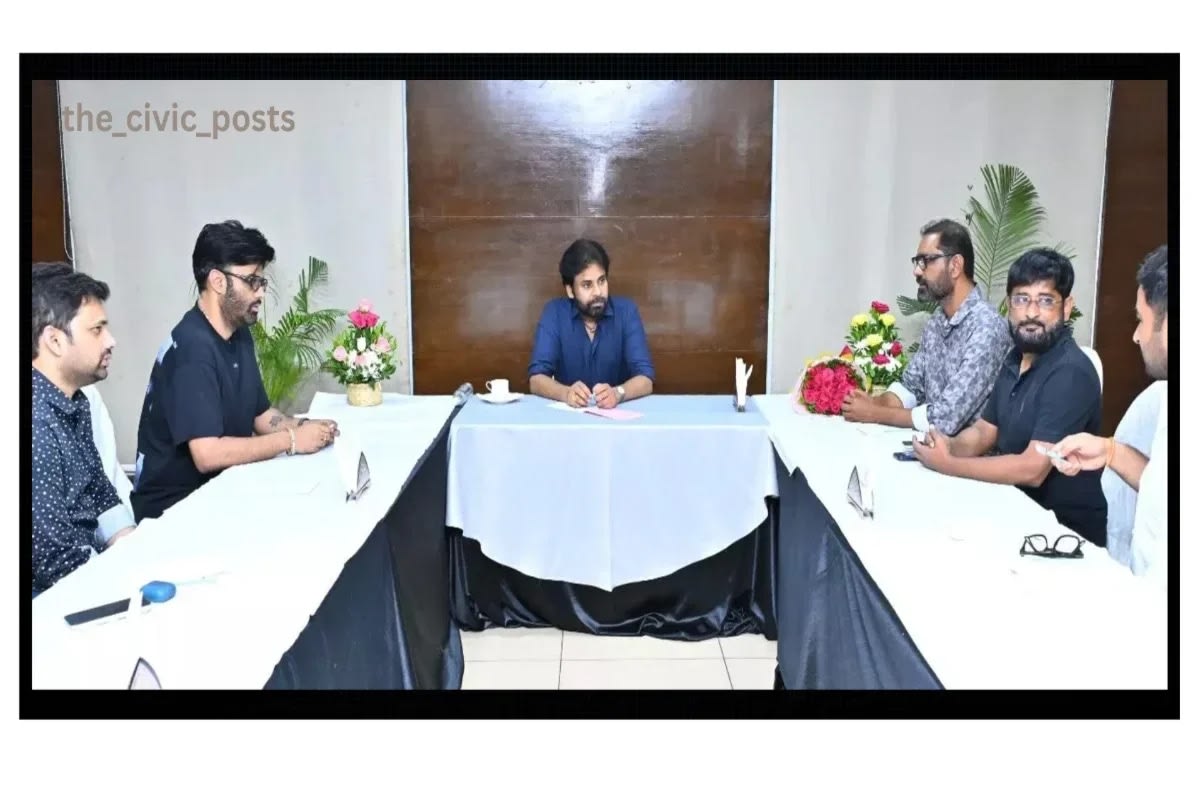
A major issue surrounding the Telugu film industry has now reached the Andhra Pradesh government after producers approached Deputy Chief Minister Pawan Kalyan over the growing dispute between theatre owners and film producers regarding the rental and percentage system. The issue has created fresh tension within the industry, with producers arguing that the existing exhibition model is placing heavy financial pressure on filmmakers.
The dispute mainly revolves around the method used to share revenue between theatres and producers after a film’s release. In the Telugu film industry, two systems are generally followed — the rental model and the percentage-sharing model. Under the rental system, theatre owners charge a fixed amount from producers or distributors regardless of how a film performs at the box office. In the percentage system, theatre collections are shared between both parties based on agreed percentages.
Producers are reportedly unhappy with the increasing dominance of the rental system in several regions. According to them, fixed rental agreements are becoming financially risky, especially for medium and small-budget films that depend heavily on word-of-mouth and gradual audience growth. They argue that if collections fall below expectations, producers alone bear the losses while theatre owners still receive fixed payments.
This concern has become more serious in recent months as production costs in the Telugu film industry continue to rise sharply. Expenses related to actor remuneration, shooting, promotions and digital rights have already placed pressure on filmmakers. Producers now believe that additional financial burdens from theatre agreements are making film releases increasingly difficult.
Several producers recently met Pawan Kalyan and reportedly explained the challenges being faced by the industry. They requested government intervention to create a balanced system that protects both exhibitors and filmmakers. Industry representatives are believed to have expressed concern that many small and medium producers may struggle to survive if the current situation continues.
The issue is not just about finances but also about the future structure of film distribution in Andhra Pradesh. Producers argue that the percentage-sharing system creates a fairer environment because theatres and filmmakers share both risks and rewards together. If a film becomes successful, both sides benefit. If collections are weak, losses are also distributed more evenly.
On the other hand, theatre owners reportedly support the rental model in many cases because it provides predictable income and helps them manage operational expenses such as electricity, staff salaries and maintenance. Running cinema halls has also become expensive due to increasing costs and competition from streaming platforms. Exhibitors believe fixed rentals help them maintain financial stability even during weak box-office periods.
The growing conflict highlights the larger transformation taking place in the entertainment industry. After the rise of OTT platforms and changing audience habits following the pandemic years, theatres have been facing pressure to attract viewers consistently. At the same time, producers are trying to recover investments in an unpredictable market where even big films sometimes fail commercially.
Industry observers believe this dispute could significantly influence the Telugu film business if a long-term solution is not found soon. Andhra Pradesh remains one of the biggest markets for Telugu cinema, and any disagreement involving theatre operations directly affects film releases, distributors and overall industry revenue.
Pawan Kalyan’s involvement has added political and public attention to the issue because of his strong connection with the Telugu film industry. Before entering active politics, he established himself as one of Telugu cinema’s biggest stars. Because of this dual identity as both actor and Deputy Chief Minister, many industry members view him as someone who understands the concerns of filmmakers as well as administrative realities.
Producers reportedly expect the Andhra Pradesh government to facilitate discussions between exhibitors and filmmakers to reach a mutually acceptable formula. Some industry voices are calling for transparent revenue-sharing structures and standardised agreements to avoid future disputes.
The debate has also sparked conversations within film circles about the sustainability of the current theatrical business model. Many believe the industry needs reforms that can protect theatres without placing excessive pressure on producers, especially when competition from digital platforms continues to grow.
For smaller films, theatrical survival has become increasingly challenging. Unlike big-star productions that open strongly at the box office, medium-budget movies often depend on gradual audience support over several days. Producers say heavy rental systems reduce their ability to recover investments during such runs.
At the same time, theatre owners insist they too are struggling with rising operational costs and declining footfalls in some centres. According to exhibitors, maintaining cinema halls has become difficult without assured financial returns.
As discussions continue, the Telugu film industry now waits to see whether the Andhra Pradesh government will step in formally to mediate between both sides. Many believe a balanced solution is necessary not only to resolve the current dispute but also to protect the long-term stability of the theatrical business ecosystem in the State.
The issue has ultimately become a reflection of the larger economic pressures facing the entertainment industry today, where producers, distributors and theatre owners are all trying to adapt to changing audience behaviour and evolving business realities.