Central Africa Faces Critical Test as Ebola Resurgence Triggers Massive Continental Response
Kranthi Shekar - MAY 27, 2026
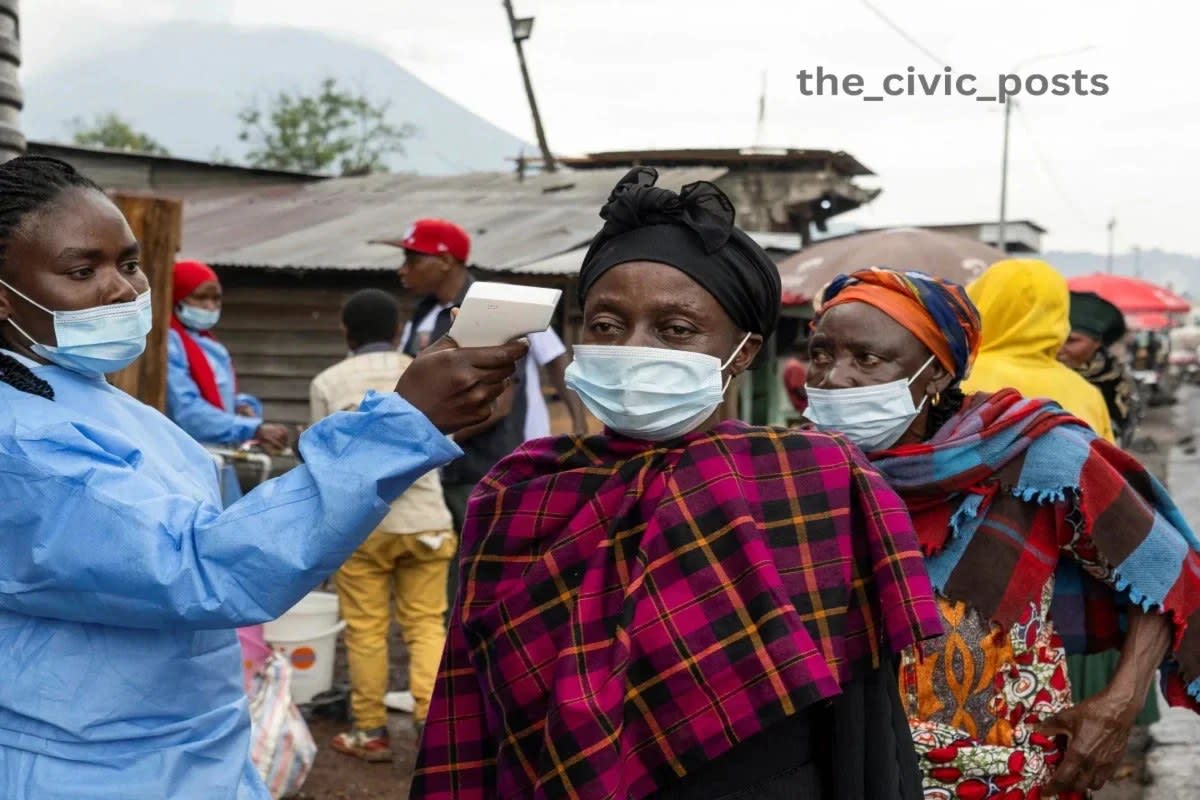
Central Africa is confronting a rapidly developing health emergency after a renewed Ebola outbreak prompted governments, medical institutions, and international agencies to accelerate response efforts across the region. The situation has generated concern among health experts because the outbreak involves a less common strain of the Ebola virus and is unfolding in areas where healthcare systems already face significant pressure.
Authorities are now attempting to prevent a broader crisis through emergency mobilisation, surveillance expansion, cross-border coordination, and large-scale funding efforts. African health agencies, working alongside global partners, have proposed an emergency financial package estimated at approximately $319 million to support containment operations and protect vulnerable communities.
Rather than treating the event as a localised outbreak, public health leaders increasingly view the situation as a regional challenge with potential international implications.
Why This Outbreak Is Receiving Global Attention
Several disease outbreaks occur around the world each year, but experts say this situation stands apart for multiple reasons.
Key concerns include:
• The outbreak involves the Bundibugyo strain of Ebola.
• No fully established vaccine programme currently exists specifically for this strain.
• Cases have emerged in areas with weak healthcare infrastructure.
• Population movement raises risks of wider transmission.
• Conflict and insecurity could complicate response operations.
• Health systems are still recovering from recent public health pressures.
Taken together, these factors create conditions that can make disease containment considerably more difficult.
Medical specialists warn that outbreaks are not determined solely by the virus itself. Conditions on the ground-including access to hospitals, public trust, transport systems, and security-often influence how quickly diseases spread.
Understanding the Bundibugyo Variant
Unlike previous Ebola emergencies that relied heavily on vaccine deployment, this outbreak presents different challenges.
The Bundibugyo strain is relatively rare compared with other Ebola variants that have historically caused large outbreaks. Scientists continue studying its transmission characteristics and clinical behaviour.
The absence of dedicated pharmaceutical tools means authorities must place greater reliance on traditional public health methods.
Current strategies include:
Rapid identification of suspected cases
Isolation of infected individuals
Monitoring close contacts
Expansion of laboratory testing
Protective measures for healthcare workers
Community awareness programmes
Border screening efforts
Health officials note that these methods have successfully controlled outbreaks in the past, but effectiveness depends heavily on speed and coordination.
Funding Drive Moves to Centre Stage
The proposed emergency financing effort has become one of the most important aspects of the response strategy.
Resources are expected to support multiple areas simultaneously:
Medical infrastructure
Additional treatment centres may need to be established or expanded to accommodate growing patient numbers.
Diagnostic capacity
Laboratories require testing equipment, trained personnel, and transportation systems capable of processing samples quickly.
Protective supplies
Frontline workers require masks, gowns, gloves, and specialised protective equipment.
Human resources
Medical personnel, epidemiologists, laboratory experts, and response teams are needed in affected zones.
Public information campaigns
Community outreach efforts remain critical for improving awareness and reducing misinformation.
Health economists frequently emphasize that early investments in outbreak control are far less expensive than managing widespread humanitarian emergencies later.
Why Healthcare Systems Face Greater Pressure
Disease outbreaks rarely occur in isolation.
Many regions confronting the current Ebola emergency have spent years facing overlapping difficulties that include economic hardship, displacement, instability, and strained medical infrastructure.
Long-term pressures have created several challenges:
• Limited hospital access
• Equipment shortages
• Insufficient staffing
• Weak disease surveillance systems
• Delayed healthcare access
• Transportation difficulties
When healthcare systems operate near capacity, sudden emergencies can rapidly overwhelm available resources.
Experts note that outbreak response becomes significantly more difficult when routine healthcare services are already under strain.
Frontline Workers Carry the Heaviest Responsibility
Doctors, nurses, laboratory technicians, and emergency responders often become the first line of defence during infectious disease outbreaks.
However, they frequently face considerable personal risk.
Healthcare workers involved in Ebola treatment operate under demanding conditions:
Extended working hours
High emotional pressure
Strict infection-control procedures
Exposure risks
Resource shortages
Difficult operating environments
Past Ebola emergencies demonstrated that infections among healthcare personnel can worsen crises by reducing available staffing while increasing fear among workers.
Humanitarian organisations say protecting frontline teams remains one of the highest priorities.
Community Trust Could Determine Success
Medical interventions alone rarely stop outbreaks.
Public cooperation often becomes equally important.
Health agencies are increasingly focused on strengthening communication within affected communities because fear and misinformation sometimes spread faster than disease itself.
During outbreaks, people may avoid treatment centres for various reasons:
• Fear of isolation
• Distrust toward authorities
• Rumours circulating locally
• Cultural misunderstandings
• Concern about stigma
As a result, health agencies are partnering with:
Local leaders
Community organisations
Religious institutions
Public educators
Civil society groups
Officials believe trusted voices can encourage individuals to report symptoms early and seek treatment without delay.
Border Monitoring Expands Across Region
Authorities are also paying close attention to movement patterns.
Regional health officials have increased monitoring operations near border areas due to concerns that infected individuals could travel before symptoms become severe.
Several preventive measures are now being strengthened:
Travel screening
Health checkpoints
Symptom monitoring
Emergency reporting systems
Cross-border information sharing
Surveillance expansion
Health specialists caution that such measures aim to identify cases early rather than create public panic.
Lessons From Previous Ebola Emergencies
Earlier Ebola outbreaks left lasting effects across affected regions.
Past experiences highlighted several important lessons:
Delayed action increases risks
Early intervention remains critical.
Local engagement matters
Communities respond more positively when trusted local figures participate.
Healthcare workers require protection
Frontline staff become vulnerable without adequate support.
Information transparency builds trust
Clear communication reduces fear and confusion.
International cooperation accelerates response
Disease outbreaks frequently cross borders.
Experts say current response strategies are shaped heavily by lessons learned from previous public health emergencies.
Broader Questions About Global Preparedness
The outbreak has also renewed debate surrounding long-term investment in epidemic readiness.
Public health researchers argue that preparedness often receives attention only after emergencies begin.
Some specialists believe stronger investment is needed in:
• Laboratory systems
• Medical training
• emergency stockpiles
• surveillance networks
• local healthcare infrastructure
• research programmes
According to health policy experts, sustainable preparedness can reduce risks before crises emerge.
The Coming Weeks Could Be Decisive
Health officials continue stressing that the outbreak remains controllable.
Containment efforts are actively expanding, emergency teams are increasing operations, and scientific institutions continue researching potential medical solutions.
However, experts repeatedly caution that timing remains critical.
The trajectory of the outbreak may depend on several factors:
Speed of funding arrival
Community participation
Cross-border coordination
Availability of medical resources
Efficiency of surveillance efforts
Protection of healthcare workers
For now, attention remains fixed on preventing isolated outbreaks from becoming a wider regional emergency.
As governments and health organisations intensify operations, Central Africa now faces an important test-not only of healthcare capacity, but also of international cooperation and preparedness in an era increasingly shaped by emerging infectious threats.