Sreesanth’s Second Innings Begins as Kerala Cricket Ends Three-Year Ban
Editorial desk - JUL 2, 2026
In sport, every career is defined by moments that shape an athlete’s identity. Some are remembered for extraordinary victories, others for heartbreaking defeats, while a few become symbols of resilience after enduring difficult phases. Former Indian fast bowler S. Sreesanth belongs to the last category. His cricketing journey has never been ordinary. It has been filled with triumphs, controversies, setbacks, emotional comebacks, and an unwavering passion for the game. Now, with the Kerala Cricket Association revoking the three-year ban imposed on him, another important chapter has begun—one that offers not just a fresh opportunity for Sreesanth, but also an important lesson about redemption in modern sport.
The decision has generated widespread discussion among cricket followers because it goes beyond administrative action. It represents the possibility of rebuilding relationships, restoring trust, and allowing experience to contribute once again to the development of the game.
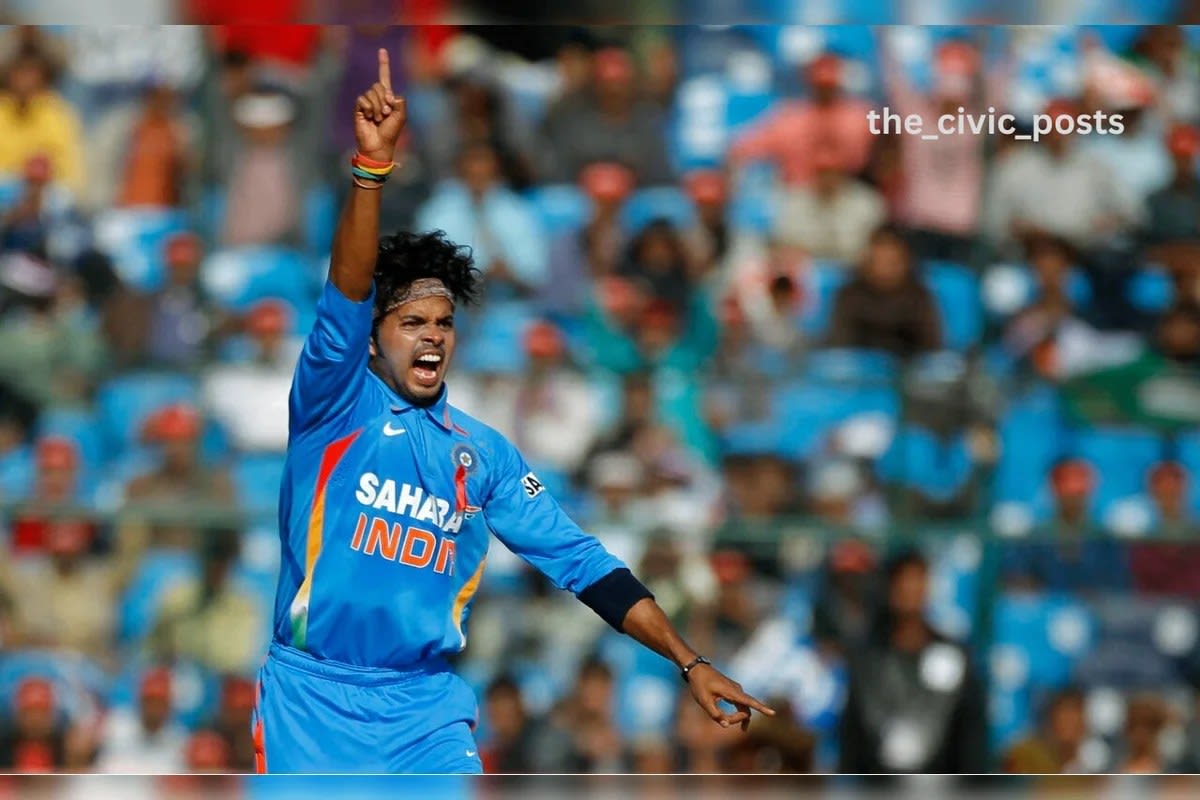
Sreesanth has always been one of Indian cricket’s most expressive personalities. Unlike many cricketers who maintained a calm and reserved presence on the field, he played every match with visible emotion. Every wicket, every appeal, and every celebration reflected his intense commitment to the game. His energy often inspired teammates while entertaining cricket fans across the world.
When he first entered international cricket, India was searching for dependable fast bowlers capable of performing consistently in different conditions. Traditionally known for producing world-class spin bowlers, Indian cricket had only a handful of genuine pace bowlers who could trouble international batting line-ups across formats.
Sreesanth quickly established himself as one of those rare fast bowlers. Blessed with natural swing, impressive seam movement, and remarkable fighting spirit, he became a valuable asset for the Indian team. Whether bowling with the new ball or returning for crucial breakthroughs later in an innings, he possessed the ability to change the course of a match through aggression and determination.
His performances earned him opportunities in some of the biggest tournaments in world cricket. During India's successful years on the international stage, he played an important supporting role by delivering timely breakthroughs and maintaining pressure on opposing batsmen.
What made Sreesanth different was not merely his bowling. It was his personality. He wore his emotions openly, celebrated victories passionately, and never hid his disappointment after difficult performances. While this expressive nature earned admiration from many supporters, it also attracted criticism at times.
Like many athletes competing at the highest level, his career faced numerous challenges. Injuries interrupted his momentum on several occasions, preventing him from maintaining consistency over longer periods. Fast bowling places enormous physical demands on the body, and repeated injuries often affect rhythm, confidence, and career progression.
Despite these setbacks, he repeatedly fought his way back into competitive cricket. Every comeback reflected his determination to continue representing India despite physical and professional obstacles.
However, the defining turning point of his career came not because of injury or performance but because of controversies that dramatically altered his cricketing journey. Administrative decisions eventually distanced him from competitive cricket, creating one of the most difficult periods of his professional life.
For many athletes, such situations mark the end of their sporting association altogether. Yet Sreesanth never appeared willing to completely walk away from cricket. Throughout the years that followed, he consistently expressed his affection for the sport and his desire to remain connected with it in whatever capacity possible.
His enthusiasm for cricket never disappeared despite reduced opportunities to participate professionally. Instead, he continued engaging with audiences through various platforms while repeatedly speaking about his wish to contribute to the sport once again.
The Kerala Cricket Association's decision to revoke the ban therefore carries significance beyond its administrative nature. It reflects the understanding that individuals should sometimes be given opportunities to rebuild relationships after difficult periods, particularly when they continue demonstrating commitment toward the game.
Sport has always celebrated stories of resilience. History across different disciplines contains numerous examples of athletes who rebuilt their careers after experiencing setbacks. Some returned to competition, while others discovered equally meaningful roles as coaches, mentors, administrators, commentators, or talent developers.
For Sreesanth, the lifting of the ban creates possibilities that extend beyond personal satisfaction. His years of international cricket have provided experiences that few players possess. Competing against some of the world's greatest batsmen, performing under enormous pressure, and representing India across multiple formats have given him practical knowledge that cannot easily be taught in coaching manuals.
Young fast bowlers often require guidance not only in technical skills but also in mental preparation. Bowling at high speed demands physical fitness, tactical awareness, emotional stability, and confidence. Experienced players who have faced international competition understand these challenges better than anyone else.
Sreesanth has experienced almost every possible situation in professional cricket. He has celebrated memorable victories, overcome injuries, dealt with criticism, handled expectations, and navigated career uncertainty. Such experiences can become valuable lessons for younger generations entering competitive cricket.
The timing of this development is also important because Indian cricket continues expanding rapidly. Improved infrastructure, advanced sports science, stronger domestic competitions, and increased investment in grassroots development have transformed player pathways across the country.
Kerala itself has emerged as an increasingly competitive cricketing state. More young players are now receiving opportunities to compete nationally, creating demand for experienced mentors capable of nurturing future talent.
The presence of former international cricketers within state cricket systems often accelerates player development. Beyond teaching bowling techniques, experienced professionals help youngsters understand discipline, match preparation, pressure management, teamwork, and professional conduct.
These qualities frequently determine long-term success more than raw talent alone.
Another important aspect of Sreesanth's journey is its human dimension. Professional athletes are often viewed only through statistics and performances, but behind every sporting career exists an individual facing personal struggles, emotional challenges, and constant public scrutiny.
The pressures of international sport can be overwhelming. Athletes continuously balance expectations from selectors, teammates, supporters, media, and themselves. Mistakes become public discussions, while successes often create even greater expectations.
Stories like Sreesanth's remind people that sporting careers are rarely straightforward. Success rarely follows a perfectly smooth path. Instead, it often includes failures, disappointments, setbacks, and opportunities for growth.
The lifting of the ban therefore symbolizes something larger than cricket administration. It represents the possibility of reconciliation and the recognition that experience remains valuable when accompanied by genuine willingness to contribute positively.
Public reactions naturally remain diverse. Some celebrate the decision as an opportunity for redemption, while others believe accountability should remain central within sporting institutions. Such differing opinions are expected whenever well-known personalities experience significant career developments.
Regardless of individual perspectives, one fact remains undeniable. Sreesanth continues to occupy a unique place in Indian cricket. Years after stepping away from regular international competition, his name still generates conversation because his career left a lasting impression on millions of cricket fans.
Looking ahead, his future contributions may no longer depend upon wickets taken or matches won. Instead, they may be measured by the number of young cricketers inspired through his guidance, experience, and mentorship.
Modern cricket increasingly relies upon former players to strengthen coaching systems, identify talent, and prepare future generations for international competition. Individuals who have personally experienced cricket's highest levels often provide insights unavailable elsewhere.
For Sreesanth, this renewed opportunity arrives at a meaningful stage of life. Rather than revisiting past controversies, attention can now shift toward future contributions. Every experienced athlete eventually reaches a stage where knowledge becomes their greatest asset.
His cricketing journey demonstrates that careers need not be defined entirely by mistakes or setbacks. Persistence, learning, and willingness to move forward can create meaningful new beginnings.
Ultimately, the Kerala Cricket Association's decision represents far more than the removal of a restriction. It symbolizes another chance to reconnect with the game that shaped Sreesanth's life.
Cricket has always believed in the importance of partnerships. Sometimes those partnerships exist between batsmen. Sometimes between bowlers. And occasionally, they exist between experience and opportunity.
For Sreesanth, that partnership has now been restored.
Whether through mentoring young bowlers, supporting Kerala cricket, or contributing to Indian cricket in a broader capacity, the road ahead offers possibilities that once again place him close to the game he has always loved.
His next innings may not be played under stadium lights or before packed crowds. Instead, it may unfold behind practice nets, inside dressing rooms, and through the guidance he offers to future generations.
And perhaps, that chapter could become every bit as meaningful as the memorable cricket he once played wearing India's colours.