Exam Paper Leaks: The Silent Crisis Devouring India’s Youth
Kranthi Vegesna - MAY 19, 2026
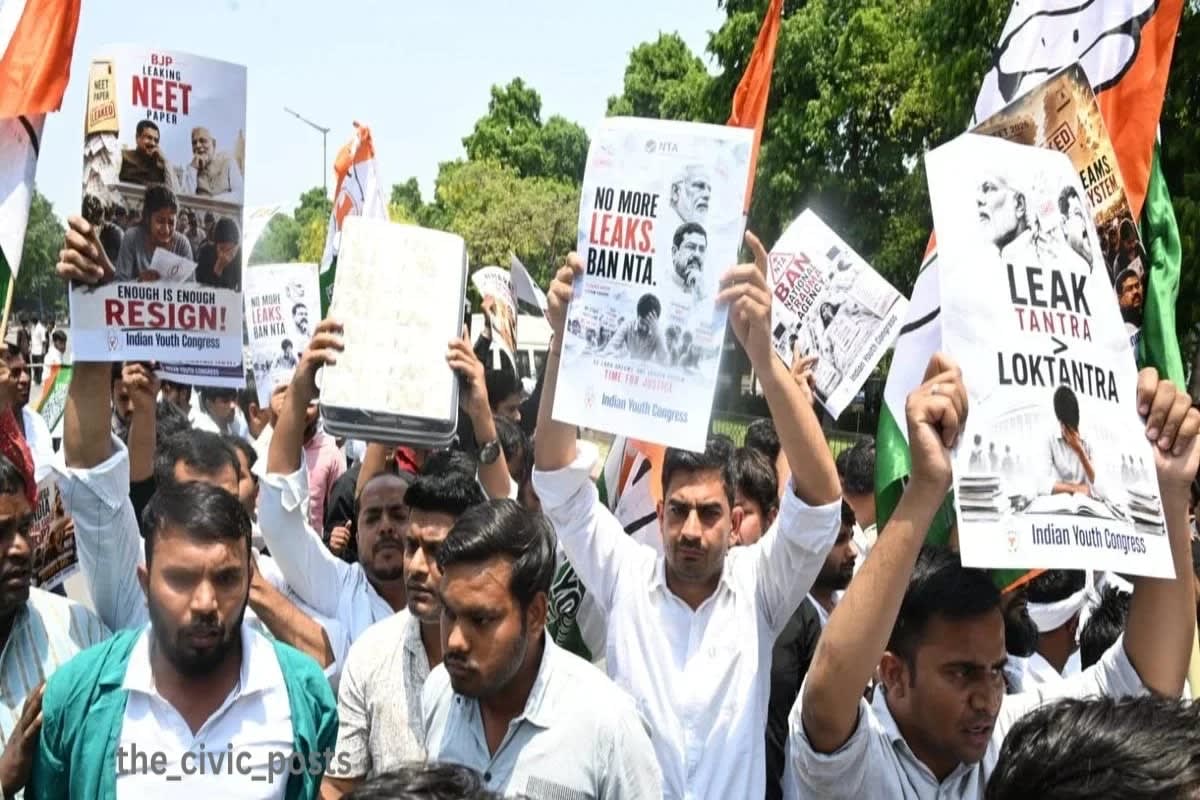
In India, government jobs and admission into higher education institutions are often life-changing milestones for millions of young people. Aspirants spend years preparing for competitive examinations while carrying the hopes, sacrifices, and financial burdens of their families. However, the growing wave of examination paper leaks across the country is destroying these aspirations overnight.
Between 2023 and 2026, several major examination leak scandals exposed the alarming scale of the problem. This is not merely about canceled exams-it is a deep systemic crisis affecting students, public trust, governance, and the nation’s future.
The Scale of the Crisis
The numbers alone reveal the seriousness of the issue.
Over the past three years, more than 70 paper leak cases have reportedly surfaced across India, impacting an estimated 17 million candidates. Many of these examinations involve lakhs of applicants competing for limited opportunities.
Some major examples include:
Uttar Pradesh Police Recruitment Exam – 4.8 million candidates affected
UGC-NET – 1.1 million candidates
Bihar Teacher Recruitment Exam – 375,000 candidates
TSPSC Assistant Engineer Examination – 55,000 candidates
These are not isolated incidents. Behind every canceled examination lie the shattered dreams of countless families.
The Impact on Students
1. Loss of Precious Time
Preparing for competitive examinations often requires one to three years of rigorous effort. When an exam is canceled due to a leak, that entire period effectively becomes wasted.
2. Financial Burden
Candidates spend enormous amounts on:
Coaching centers
Hostel accommodation
Study materials
Travel and application expenses
On average, an aspirant may spend anywhere between ₹50,000 and ₹2 lakh during preparation. A canceled examination means both emotional and financial devastation.
3. Mental Stress and Emotional Trauma
Uncertainty after cancellations leads to anxiety, frustration, depression, and loss of motivation. Many students experience severe mental pressure after repeated postponements and re-examinations.
4. Age Limit Challenges
For candidates nearing the upper age limit, a canceled examination may permanently end their chances of securing a government job.
The Cost to the Government
1. Massive Financial Loss
Conducting large-scale examinations costs governments hundreds of crores of rupees. When exams are canceled, authorities must bear:
Re-examination expenses
Additional security arrangements
Administrative and logistical costs
2. Loss of Public Trust
Repeated leaks severely damage the credibility of governments and recruitment agencies. Citizens begin to lose faith in the fairness of public institutions.
3. Burden on the Judiciary
Every leak leads to litigation, court hearings, and prolonged investigations, putting additional pressure on the legal system.
Organized Criminal Networks Behind the Leaks
Paper leaks are rarely accidental. Most are part of sophisticated criminal operations involving multiple actors.
Common methods include:
Leaks at printing press stages
Organized gangs operating inside examination centers
Use of Telegram channels and dark web platforms
“Solver gangs” writing exams on behalf of candidates
These networks often function across state boundaries, making investigations even more difficult.
Case Study: TSPSC Crisis
The Telangana State Public Service Commission (TSPSC) controversy exposed deep administrative weaknesses.
First cancellation: Paper leak allegations
Second cancellation: Administrative irregularities
Third phase: Legal disputes and court interventions
The TSPSC issue became a symbol of how institutional failures can repeatedly disrupt the lives of thousands of aspirants.
NEET Controversies and Nationwide Concerns
The NEET-UG examination controversies in 2024 and 2026 triggered nationwide outrage.
In 2024, nearly 2.4 million students were reportedly affected
In 2026, around 2.3 million students had to face uncertainty and re-examination concerns again
These incidents raised serious questions about the reliability and transparency of India’s examination system.
Legal Measures Taken
In response to rising concerns, the government introduced the Public Examinations (Prevention of Unfair Means) Act, 2024.
Key provisions include:
Fines up to ₹1 crore
Imprisonment up to 10 years
Strict action against organized leak syndicates
However, the absence of swift convictions and delayed implementation has raised doubts about enforcement effectiveness.
Root Causes of the Problem
1. Weak Security Systems
Many examination systems still suffer from poor digital security and outdated operational practices.
2. Corruption and Insider Involvement
Large-scale leaks are difficult without internal collusion. In several cases, insiders are suspected to have played a critical role.
3. Slow Investigations
Investigations conducted by agencies and courts often move slowly, reducing deterrence against future crimes.
4. Lack of Accountability
Strict action against negligent officials remains limited, encouraging administrative complacency.
International Comparisons
Countries such as China and South Korea maintain extremely stringent examination security systems through:
Multi-layer encryption protocols
Real-time monitoring mechanisms
Severe penalties for violations
India still has significant gaps in adopting such high-level security standards.
The Way Forward
1. Strengthening Digital Security
Authorities must adopt end-to-end encryption, blockchain-based tracking systems, and advanced cybersecurity frameworks.
2. Enhanced Surveillance at Exam Centers
AI-powered monitoring and biometric verification can reduce impersonation and malpractice.
3. Fast-Track Judicial Mechanisms
Dedicated fast-track courts are necessary to ensure speedy investigations and convictions.
4. Clear Accountability
Officials responsible for negligence must face strict administrative and legal consequences.
5. Greater Transparency
Governments and recruitment agencies must communicate openly with candidates at every stage of the process.
Exam paper leaks are not merely administrative failures-they are attacks on fairness, merit, and equal opportunity.
India’s youth are investing their time, money, energy, and dreams into competitive examinations. When systemic failures repeatedly destroy those efforts, the consequences extend far beyond canceled tests.
Governments, institutions, and society must treat this issue as a national priority.
A paper leak is not just an incident. It is a warning.
If ignored, the country risks creating a future where corruption triumphs over merit and trust in public institutions collapses.