EC Notice to K. Kavitha Over 'TRS' Party Name Triggers Political Storm
Alekhya Kota - JUL 4, 2026
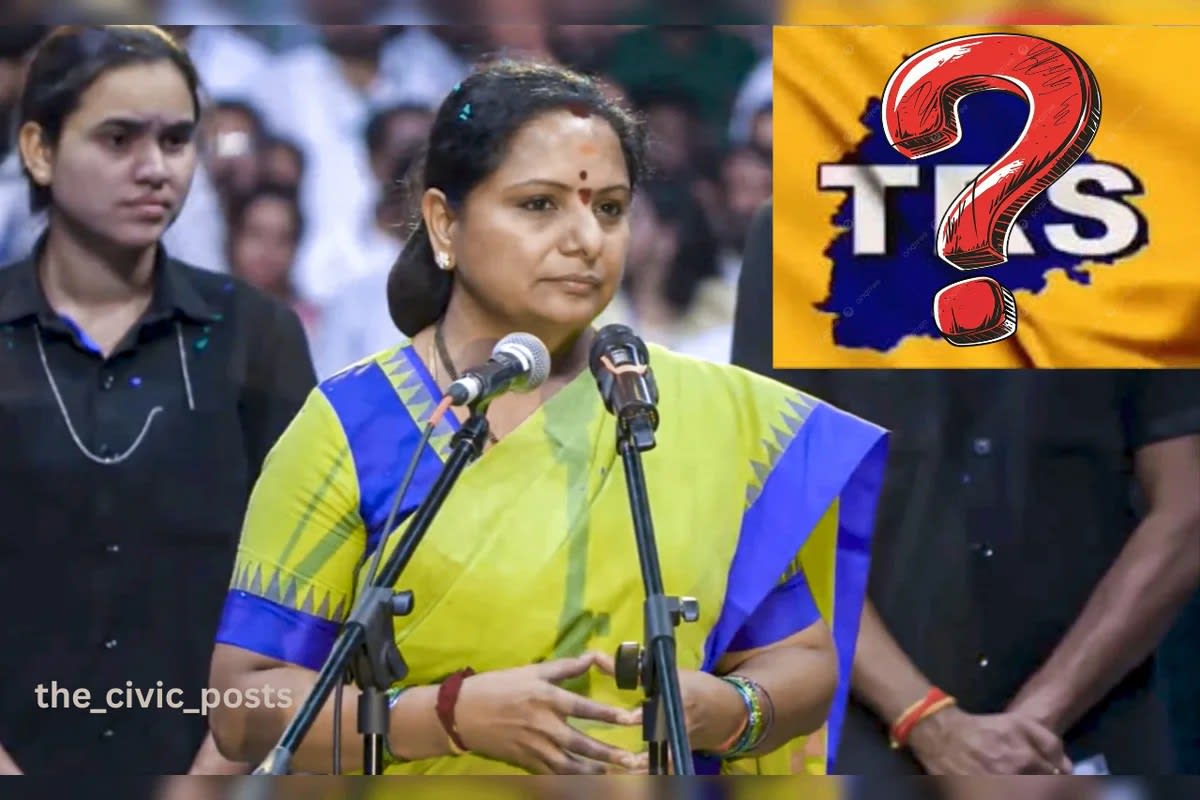
A fresh political and legal debate has emerged in Telangana after the Election Commission of India issued a notice to K. Kavitha over the name proposed for her recently launched political party. The development has drawn attention across political circles, raising questions about party registration norms, the protection of political identities, and the Election Commission's role in preventing confusion among voters. K. Kavitha received the notice after objections were raised over the use of the abbreviation "TRS," which was historically associated with the former Bharat Rashtra Samithi.
The issue revolves around the identity of Kavitha's newly formed political outfit and the similarity between its proposed name and the earlier name of Bharat Rashtra Samithi, which was originally known as Telangana Rashtra Samithi before adopting its present identity. Since the initials "TRS" continue to hold strong political recognition among the public, the matter has become more than a procedural issue and has entered the larger arena of political symbolism.
Political parties invest years in building their identity, symbols, slogans, and public recognition. Even after a party changes its official name, the earlier identity often remains deeply embedded in public memory. This is particularly true in Telangana, where the abbreviation "TRS" became synonymous with the movement for statehood and later with the government that ruled the state for several years. Because of this historical association, any attempt to use a similar abbreviation naturally attracts public attention and regulatory scrutiny.
According to reports, the Election Commission received a large number of objections after the proposed party name became public. Several representations argued that allowing another political party to use the same initials could create confusion among voters, particularly during elections where symbols and names play a significant role in identifying candidates. After examining the objections, the Commission issued a notice seeking clarification and reportedly asked Kavitha to suggest alternative names for consideration.
The Election Commission follows a structured process whenever a new political party seeks registration. Applications are examined to ensure that the proposed name does not closely resemble that of an existing or historically significant political organisation in a manner that could mislead voters. Public objections are also invited before a final decision is taken. This process is intended to maintain fairness and protect the integrity of the electoral system.
The present controversy demonstrates how important political branding has become in modern elections. A party's name is no longer just an administrative requirement; it represents ideology, leadership, history, and public perception. Recognisable abbreviations often carry emotional value among supporters, making disputes over names highly sensitive. As political competition intensifies, protecting established identities has become an increasingly important responsibility for election authorities.
Kavitha, however, is reportedly unwilling to accept the Commission's position without further clarification. Her political organisation has questioned the basis of the objections and is understood to be exploring legal options. Supporters believe that the party should receive a detailed explanation regarding the complaints before being asked to consider alternative names. They argue that procedural transparency is essential whenever decisions affect the registration of a political organisation.
The dispute also reflects the evolving political landscape in Telangana. Since launching her own political outfit after parting ways with her former party, Kavitha has attempted to establish a separate political identity centred on regional issues and public engagement. Building a new organisation in an already competitive political environment presents significant challenges, and the question of party identity has now become one of the first major hurdles before the organisation can fully expand its activities.
For political observers, the controversy highlights the growing importance of legal and administrative procedures in electoral politics. While elections are ultimately decided by voters, every political party must first satisfy regulatory requirements relating to registration, symbols, financial compliance, and organisational structure. Even seemingly minor issues such as party names can have far-reaching consequences because they influence public recognition and campaign communication.
Election experts often point out that the Commission must strike a careful balance between protecting democratic participation and preventing voter confusion. New political parties should have the opportunity to register and contest elections, but they must also adopt identities that are sufficiently distinct from existing organisations. Maintaining this balance is essential for preserving the credibility of the electoral process and ensuring that voters can clearly distinguish between competing political parties.
The timing of the notice has also generated considerable political discussion. Telangana's political environment has remained highly active in recent months, with established parties and emerging organisations attempting to strengthen their respective positions. In such a competitive atmosphere, every administrative decision relating to elections naturally attracts close public and political attention. Although the matter is currently procedural, it has already become part of wider political debates across the state.
Another important aspect of the issue is the role played by public objections. The Election Commission's process allows individuals, organisations, and political parties to submit objections whenever they believe a proposed party name may create confusion or violate existing guidelines. Such participation reflects the transparent nature of the registration process and enables the Commission to consider multiple viewpoints before arriving at a final decision.
For Kavitha's supporters, the present situation represents an opportunity to clarify the party's legal position while continuing organisational activities. They maintain that political identity is ultimately determined by public support rather than administrative procedures alone. At the same time, they recognise that compliance with Election Commission guidelines remains essential for securing formal recognition and participating in future elections without legal uncertainty.
Political analysts believe the outcome of the matter could influence how future party registration applications are examined. If the Commission insists on greater differentiation between proposed names and historically recognised political identities, future applicants may need to exercise greater caution while selecting names and abbreviations. Such decisions could establish useful precedents for similar disputes in other states as well.
The controversy also reminds political organisations that identity extends beyond abbreviations. Public trust is built through leadership, policy positions, organisational strength, and sustained engagement with citizens. While a recognisable name undoubtedly contributes to visibility, long-term political success depends on consistent public outreach and effective communication rather than branding alone.
As the Election Commission completes its examination of the matter, attention will remain focused on the response submitted by Kavitha and the Commission's final decision. Whether the issue is resolved through administrative consultation or legal proceedings, it is likely to remain an important political development in Telangana over the coming weeks.
The episode underlines the significance of electoral regulations in safeguarding democratic processes. Clear rules regarding party registration help ensure fairness, reduce voter confusion, and preserve the credibility of elections.
At the same time, they provide new political organisations with an opportunity to establish independent identities that reflect their own vision and priorities. The final outcome of this dispute will therefore be closely watched not only by political parties but also by observers interested in the functioning of India's electoral institutions.