International Museum Day Celebrated Grandly at Vijayawada’s Bapu Museum
Alekhya Kota - MAY 18, 2026
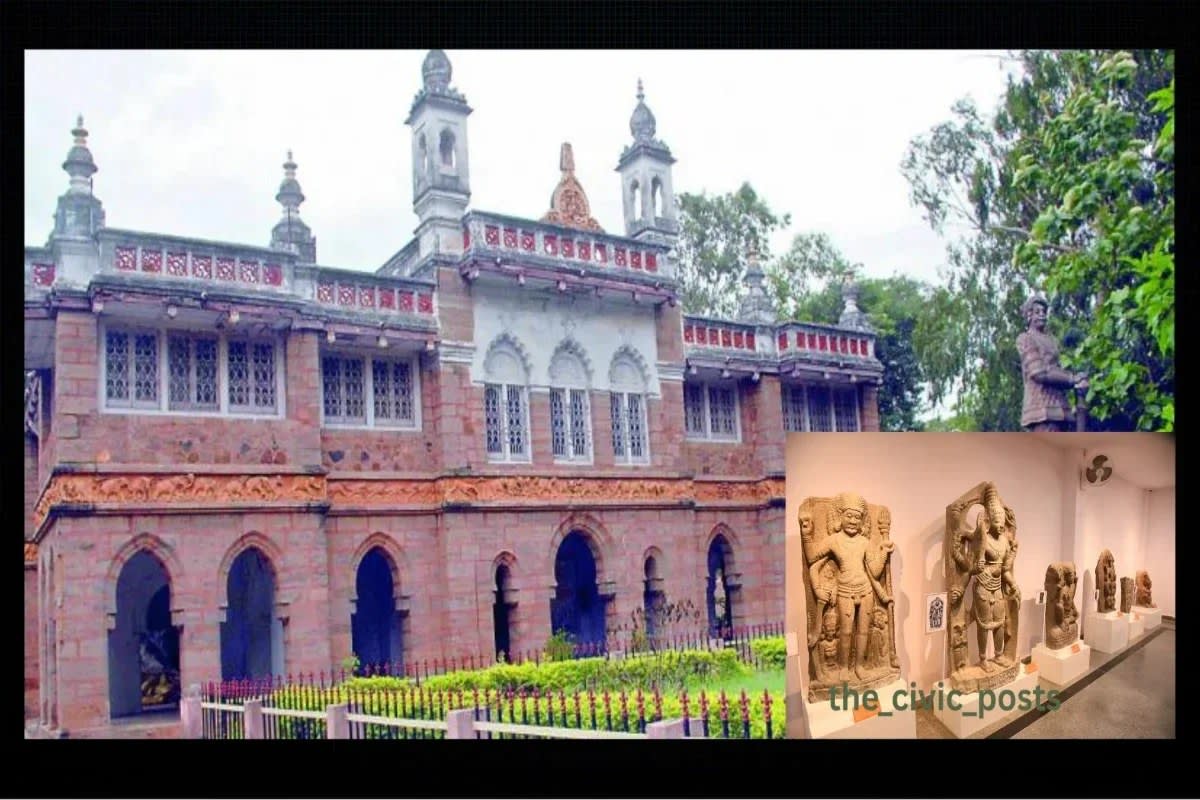
The historic Bapu Museum became a major attraction on International Museum Day as visitors from different parts of Andhra Pradesh gathered to explore the state’s rich cultural and historical heritage. The museum opened its doors with free entry for the public, encouraging students, families, tourists, and history enthusiasts to experience centuries of art, archaeology, and tradition preserved within its galleries.
The special initiative created a vibrant atmosphere at the museum, with a large number of visitors spending time observing rare artefacts, ancient sculptures, paintings, inscriptions, coins, manuscripts, and relics connected to Andhra Pradesh’s glorious past. For many people, the occasion was not just a visit to a museum but an opportunity to reconnect with the cultural identity and historical roots of the region.
Located in Vijayawada, the Bapu Museum is one of Andhra Pradesh’s most important heritage centers. Earlier known as the Victoria Jubilee Museum, it was later renamed in honor of legendary Telugu artist, cartoonist, and filmmaker Bapu, whose creative contributions left a deep impact on Telugu art and culture. Over the years, the museum has developed into a respected institution dedicated to preserving and displaying valuable historical treasures connected to the state’s civilization and artistic traditions.
International Museum Day is celebrated across the world to highlight the role museums play in protecting history and educating society. This year’s celebrations at the Bapu Museum focused on increasing awareness about heritage conservation and encouraging younger generations to develop interest in history and culture.
The museum houses collections that represent different historical periods and dynasties connected to Andhra Pradesh. Visitors had the chance to see archaeological objects dating back centuries, including stone sculptures, bronze statues, pottery, weapons, ancient tools, decorative items, and inscriptions. Many exhibits reflected the influence of Buddhist, Hindu, and regional cultural traditions that shaped the state over time.
One of the biggest attractions inside the museum remains its impressive collection linked to the Amaravati school of art. The Amaravati sculptures are globally recognized for their detailed craftsmanship and historical significance. These relics provide valuable insight into the Buddhist heritage of Andhra Pradesh and the region’s importance as a center of learning and spirituality during ancient times.
Several visitors were especially fascinated by the Buddhist artefacts displayed at the museum. Experts explained that Andhra Pradesh once played a major role in the spread of Buddhist culture, and many of the sculptures and relics preserved in the museum serve as evidence of that rich legacy. The carvings, inscriptions, and artistic designs showcased the advanced skills of ancient craftsmen and reflected the cultural sophistication of the period.
Apart from archaeological exhibits, the museum also displayed objects connected to social and cultural life from earlier centuries. Traditional ornaments, ancient coins, household items, and handwritten manuscripts gave visitors a glimpse into the lifestyles, beliefs, and artistic practices of previous generations.
The free-entry initiative received a highly positive response from the public. Students from schools and colleges were seen actively exploring different sections of the museum while teachers explained the historical significance of various exhibits. Many parents used the opportunity to introduce children to the importance of preserving heritage and understanding local history.
Historians and cultural experts attending the event emphasized that museums are not simply buildings used to store old objects. According to them, museums act as bridges between the past and present, helping society understand its origins, traditions, and cultural evolution. They stressed that preserving historical artefacts is essential for maintaining a strong cultural identity.
Experts also pointed out that rapid modernization and digital lifestyles have reduced young people’s connection with history and heritage. Events like International Museum Day therefore play an important role in encouraging public interest in museums and cultural institutions.
During the celebrations, discussions also emerged regarding the need for stronger heritage conservation efforts in Andhra Pradesh. Cultural activists highlighted the importance of protecting ancient monuments, artefacts, and archaeological sites from neglect or damage. Some heritage enthusiasts reportedly raised demands for the return of certain Amaravati artefacts currently displayed outside the state so they could become accessible to local audiences.
The museum building itself carries historical importance because of its architecture and long-standing cultural presence in Vijayawada. Its traditional design and old-world atmosphere add to the overall experience for visitors interested in history and heritage.
Officials associated with the archaeology and museums department explained that museums are educational spaces where people can learn beyond textbooks. They noted that visual exposure to real historical artefacts creates a deeper understanding of history compared to reading about it alone. According to them, encouraging students to visit museums regularly can help build greater awareness about culture and heritage.
Visitors who attended the event expressed admiration for the collections preserved at the museum. Many were surprised to discover the depth of Andhra Pradesh’s historical and artistic legacy through the exhibits displayed in different galleries. Families appreciated the free-entry initiative because it allowed people from all backgrounds to access and experience cultural history without financial barriers.
The celebrations at the Bapu Museum ultimately became more than just a symbolic observance of International Museum Day. They served as a reminder of the importance of preserving history for future generations. In a rapidly changing world, museums continue to play a critical role in protecting cultural memory and ensuring that the achievements, traditions, and stories of earlier civilizations are not forgotten.
As people walked through the museum corridors filled with centuries-old artefacts and artistic masterpieces, the experience highlighted how deeply history remains connected to identity and community. The event successfully encouraged public appreciation for Andhra Pradesh’s rich heritage while reinforcing the importance of safeguarding cultural treasures for generations to come.