Tamil Nadu Politics Sees New Shift As MMK Chooses Own Symbol
Alekhya Kota - MAY 22, 2026

The Manithaneya Makkal Katchi (MMK) has taken an important political decision by announcing that it will contest future elections in Tamil Nadu using its own party symbol. The resolution was passed during the party’s executive and general council meetings, where senior leaders discussed the organization’s long-term political direction and strategies for strengthening its presence across the state.
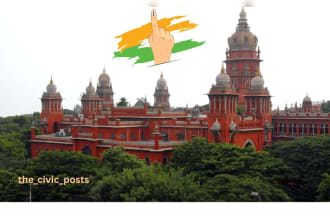
The decision marks a significant moment for the party, which has largely participated in elections as part of larger political alliances over the years. In previous elections, MMK candidates often contested under alliance symbols or temporary election symbols. Party leaders now believe that consistently using their own symbol is essential for building a strong and independent political identity among voters.
According to the leadership, one of the major challenges faced by the party in earlier elections was the lack of a permanent visual identity. Contesting under different symbols created confusion among sections of voters and limited the party’s ability to establish a lasting connection with the electorate. Leaders feel that a fixed and recognizable symbol can improve voter recall and strengthen the party’s image in future campaigns.
The move is also seen as part of a broader strategy to expand the party’s independent influence while still retaining flexibility in alliance politics. Tamil Nadu’s political landscape has traditionally been dominated by major Dravidian parties, forcing smaller regional parties to depend heavily on coalitions. However, several smaller organizations are now attempting to strengthen their own identities so they can negotiate from a stronger position during alliance discussions.
MMK president M. H. Jawahirullah and other senior leaders reportedly emphasized the need for long-term organizational growth. During the meeting, discussions focused on expanding the party structure, increasing grassroots activity, and improving communication with voters, especially among youth and minority communities.
The party has consistently positioned itself around issues such as social justice, secularism, education, minority rights, and constitutional values. Over the years, MMK has maintained an active role in Tamil Nadu politics through public campaigns, protests, and alliance participation. The latest resolution indicates that the leadership now wants to ensure that voters directly associate these political positions with the MMK identity rather than viewing the party only as a supporting ally in larger coalitions.
Political analysts believe the decision could help the party create stronger brand recognition at the grassroots level. In Indian politics, election symbols play a major role in connecting with voters, especially in rural areas where visual identification often becomes more effective than lengthy political messaging. A permanent symbol can help a party establish familiarity and emotional connection over time.
Swipe/scroll sideways to view images

The resolution also reflects changing political dynamics within Tamil Nadu. With growing competition among regional parties and shifting alliance equations, smaller parties are increasingly trying to secure greater visibility and bargaining power. By focusing on its own symbol, MMK appears determined to project itself as a more independent political force capable of standing on its own organizational strength.
Leaders within the party reportedly stressed that electoral growth cannot depend entirely on alliances. Instead, they argued that strengthening booth-level workers, increasing public outreach, and maintaining a consistent political identity are equally important for long-term success. The leadership believes that contesting under one recognizable symbol in every election will help create continuity in the minds of voters.
The announcement has already triggered discussions within Tamil Nadu’s political circles. Some observers see the move as a practical political strategy aimed at improving the party’s independent visibility without necessarily distancing itself from coalition politics. Others believe it reflects the growing ambition among smaller parties to emerge as stronger players in the state’s evolving political environment.
Tamil Nadu politics has been witnessing gradual changes over the last few years, with newer political forces trying to expand their influence alongside established Dravidian giants. In this environment, smaller parties are increasingly focusing on identity-building and organizational expansion. MMK’s latest decision appears to align with this broader trend of regional political consolidation.
The party also reportedly discussed plans to strengthen its outreach through social campaigns, local leadership development, and public engagement programs. Leaders expressed confidence that a stronger independent identity would encourage more supporters and volunteers to actively participate in party activities.
Although alliances are likely to remain an important part of Tamil Nadu politics, MMK’s latest resolution signals a clear intention to establish itself more prominently in the public sphere. The party now aims to ensure that its political message, social campaigns, and electoral efforts are directly associated with its own symbol and organizational identity.
As future elections approach, the effectiveness of this strategy will depend on how successfully the party expands its grassroots presence and connects with voters across different regions. However, the decision itself represents a major step in MMK’s effort to strengthen its independent political standing and shape a clearer identity within Tamil Nadu’s competitive political landscape.