Parliament and MPs’ Performance: What the Numbers Reveal
Kranthi Vegesna - MAY 26, 2026
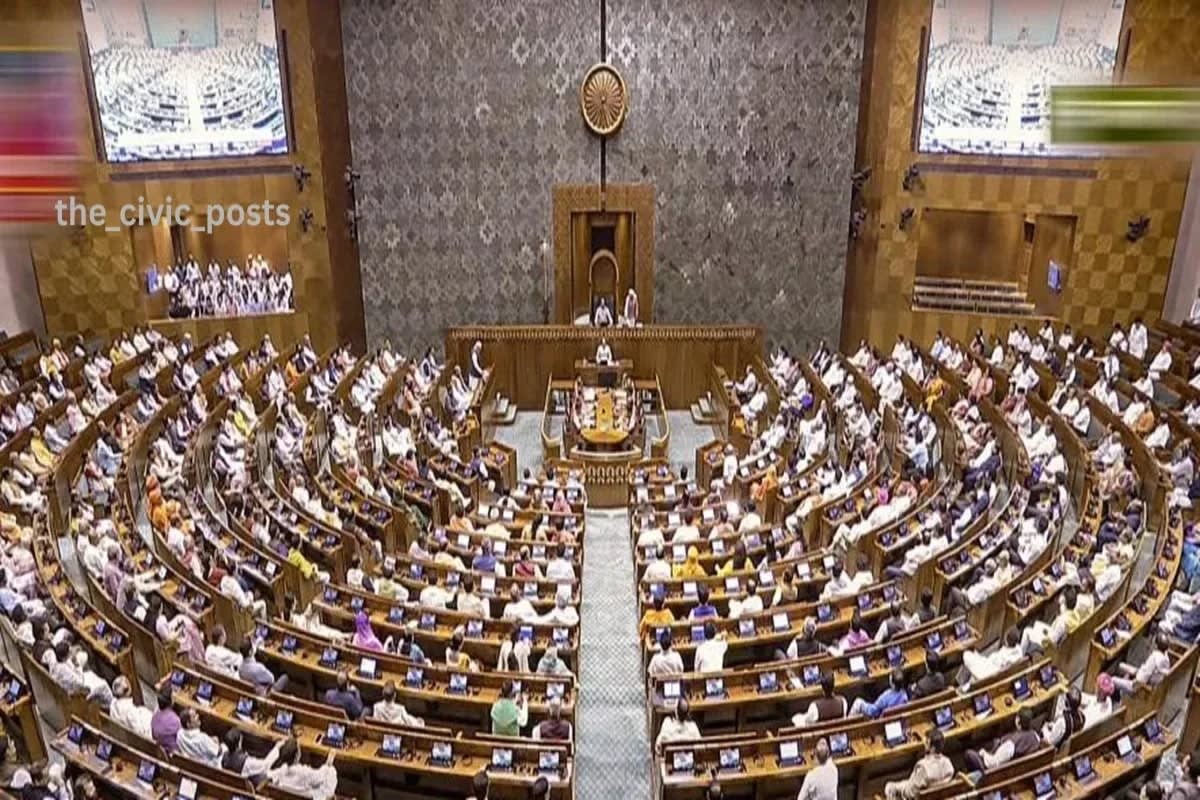
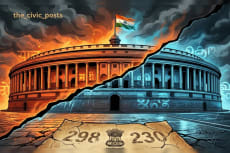
In a democracy, Parliament is expected to function as the voice of the people. Members of Parliament are elected not merely to occupy seats, but to raise public concerns, question the government, participate in debates, and contribute to policymaking. However, parliamentary performance statistics from recent Lok Sabha terms raise serious concerns about the quality of democratic representation in India.
Parliamentary Performance: A Troubling Picture
During the 16th Lok Sabha (2014–2019), more than 30 MPs reportedly did not ask a single question in Parliament. Among them were prominent political leaders such as Sonia Gandhi, Rahul Gandhi, and L. K. Advani. While some of them participated in debates, they did not formally question the government through parliamentary procedures.
Similarly, in the 17th Lok Sabha (2019–2024), at least 10 MPs reportedly failed to ask even a single question. This list included well-known figures like Akhilesh Yadav, Sunny Deol, and Shatrughan Sinha.
The issue does not end there. A significant number of MPs also failed to participate in parliamentary debates.
In the 16th Lok Sabha, 48 MPs did not participate in a single debate.
In the 17th Lok Sabha, although the number reduced to 14, it still remains a matter of concern.
These statistics raise an uncomfortable but important question: are all elected representatives truly fulfilling their democratic responsibilities?
Why Parliamentary Questions Matter
Questioning the government is one of the strongest tools available in a parliamentary democracy. Through questions, MPs can:
Hold the government accountable
Highlight public grievances
Demand transparency
Bring neglected issues into national discussion
When an MP does not ask questions, it effectively means that the concerns of their constituency are not being formally raised in Parliament. Attendance alone cannot be considered meaningful representation.
Democracy thrives not through silent presence, but through active participation.
Why Some MPs Remain Inactive
There may be several reasons why MPs avoid participation in debates or questioning sessions:
Lack of parliamentary experience among first-time MPs
Weak political engagement or preparation
Health issues or personal circumstances
Strict party control over parliamentary participation
However, regardless of the reasons, the result is the same: a weakening of democratic quality.
The Debate Around Increasing Lok Sabha Seats
India currently has 543 Lok Sabha seats, and discussions about increasing the number of seats have gained momentum. Critics argue that the expansion of parliamentary seats is being projected as a major political reform under the leadership of Narendra Modi.
But an important question remains unanswered:
If many existing MPs are not effectively performing their duties, what is the benefit of simply increasing the number of seats?
The Financial Burden
An increase in Lok Sabha seats would also mean:
Salaries and allowances for additional MPs
More infrastructure and facilities
Expanded administrative costs
Greater expenditure from the public treasury
Without improving accountability and performance, merely expanding numbers may add financial burden without guaranteeing better governance.
Does Quantity Improve Democracy?
Experience suggests that democratic quality is determined not by the number of representatives, but by their effectiveness and commitment.
A larger Parliament does not automatically mean stronger democracy.
Women’s Reservation as an Alternative
Instead of increasing the total number of seats, the existing seats could be utilized more effectively through women’s reservation.
Such a move could:
Improve gender representation
Strengthen equality in politics
Increase women’s participation in governance
Bring diverse perspectives into policymaking
Declining Parliamentary Working Days
Another major concern is the steady decline in the number of parliamentary working days each year.
Fewer sessions mean:
Reduced debate and scrutiny
Less accountability for the government
Limited discussion on important legislation
Faster passage of bills without adequate examination
A healthy democracy requires a Parliament that functions regularly and meaningfully.
Criticism of Major Policy Decisions
Several major decisions taken by the government in recent years have also faced criticism, including:
Demonetization
Introduction and later withdrawal of the ₹2000 currency note
The implementation approach of GST
Construction of the new Parliament building
Critics argue that many of these measures failed to deliver the promised outcomes for ordinary citizens.
Democracy Needs Quality, Not Just Numbers
The strength of democracy depends on:
The quality of elected representatives
Their accountability
Their dedication to public welfare
Their willingness to engage in debate and scrutiny
Democracy cannot be measured merely through seat counts.
The Way Forward
To strengthen parliamentary democracy, India must focus on:
Electing educated and capable leaders
Encouraging representatives committed to public welfare
Increasing parliamentary working days
Ensuring women’s representation
Making MPs’ performance publicly transparent
The proposal to increase Lok Sabha seats is a major political decision. But before expanding Parliament numerically, the existing system must first be strengthened institutionally.
MPs must actively fulfill their responsibilities. Parliamentary debates, questions, accountability, and transparency are essential pillars of democracy.
True democratic reform lies not in increasing the number of representatives, but in improving the quality of representation itself.
Democracy is not merely about elections. It is about responsibility, participation, debate, and accountability. Only when these values are upheld can a nation truly progress.